
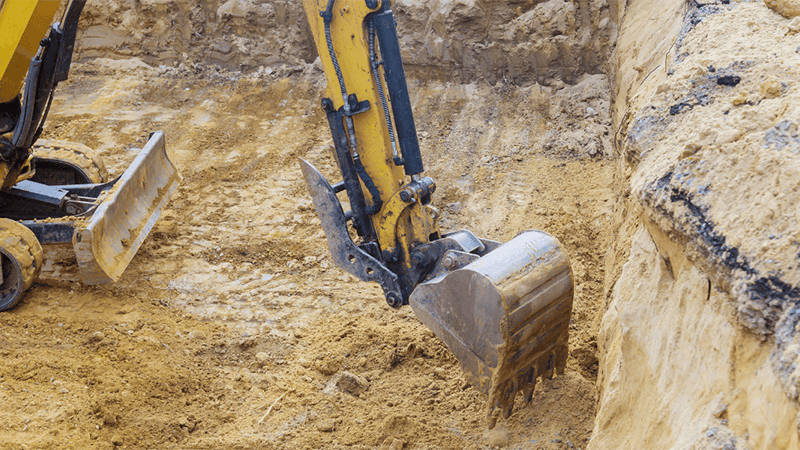
You should compare Anchorage excavation services for driveway regrades and land grading by evaluating experience, equipment, pricing, and permits; hiring licensed operators with proper permits protects your timeline and warranties, while poor work can cause erosion, drainage failure, or structural damage. Assess bids, references, and site-specific plans so you choose a contractor who delivers efficient, long-lasting results for your property.
Key Takeaways:
- Compare contractor experience and equipment—look for crews who’ve done both driveway regrades and larger land grading in Anchorage and the specific machines (excavators, skid steers, laser-grade tools) they use.
- Evaluate local-site expertise—choose firms familiar with Anchorage soils, frost heave, drainage solutions, erosion control, and permit/code requirements.
- Review bids and protections—compare itemized costs, schedules, cleanup, change-order policies, proof of insurance/bonding, warranties, and client references.
Overview of Excavation Services
Definition of Excavation Services
You hire excavation services to cut, move, and shape soil and rock for projects like driveway regrades and large-scale land grading; crews handle site prep, trenching, haul-off, and compaction, using equipment from mini-excavators to 20-ton machines to meet your site-specific plans.
Importance of Excavation in Construction
Proper excavation sets the foundation for your drainage and structural stability, controls water flow away from pavement, and reduces the risk of collapse or settlement; you rely on it to meet permit specs and protect downstream landscaping and utilities.
- Drainage — directs water away from surfaces and structures
- Safety — reduces slope failure and collapse risks during work
- Compliance — supports permit and municipal grading requirements
- Longevity — proper grading reduces maintenance for driveways and yards
- Knowing site soils, frost depth, and compaction requirements to inform methods
| Benefit | Practical impact |
| Improved drainage | Eliminates standing water that causes pavement failure |
| Load support | A properly compacted base prevents settling under vehicles |
| Worker safety | Defines safe slopes and the need for shoring on deep excavations |
| Regulatory | Meets Anchorage permit notes and utility clearance |
In practice you should expect driveways to be regraded to a typical slope of 2–4% for positive runoff and land grading to adjust elevations by 6–24 inches depending on lot drainage; contractors commonly compact base to about 95% of standard Proctor and follow protective-system rules for excavations at or beyond 5 ft depth, which reduces risk of trench collapse and long-term settlement.
Types of Excavation Services
You’ll encounter several service types: topsoil stripping for landscaping, cut-and-fill to change elevations, trenching for utilities, and finish grading for smooth surfaces; each uses different machines and tolerances depending on whether it’s a driveway regrade or broad land grading.
- Topsoil stripping — preserves good soil for later use
- Cut-and-fill — balances earth to achieve target elevations
- Trenching — precise digs for water, sewer, and power lines
- Finish grading — fine-tunes slopes and surface smoothness
- Knowing which method matches your project scale and soil type
| Service type | Typical application |
| Topsoil stripping | Landscape restoration after construction |
| Cut-and-fill | Driveway regrade or lot leveling |
| Trenching | Installing utilities beneath driveways |
| Finish grading | Final surface pitch and compaction |
For example, you’ll see mini-excavators (1–3 ton) used for tight driveway regrades, while 10–25 ton excavators or motor graders handle large land grading corridors; contractors often track tolerances to within ±0.1–0.2 feet for finish grade, and choose methods (benching, dewatering, rock removal) based on soil and frost conditions.
- Equipment sizing — matches the machine to the access and volume
- Tolerance & finish — tighter for driveways, broader for landwork
- Soil handling — sandy vs. clay affects compaction approach
- Environmental controls — erosion measures for slopes and runoff
- Knowing when to engage specialists for rock, dewatering, or large earth moves
| Consideration | What you should expect |
| Equipment | Mini-excavator for tight sites; large excavator/graders for acreage |
| Tolerances | ±0.1–0.2 ft for finish grade on driveways |
| Soil type | Clay needs a different compaction than sandy loam |
| Add-ons | Shoring, dewatering, and erosion control as needed |
Driveway Regrades
Purpose of Driveway Regrading
You use a driveway regrade to correct surface drainage, eliminate ruts, and restore safe vehicle access; typical fixes include restoring a 1–2% running grade and rebuilding a compacted base. Contractors often add a 6–12-inch granular subbase and recompact it to prevent frost heave during Anchorage’s freeze–thaw cycles. A proper regrade prevents standing water, reduces ice formation, and extends the life of pavement or gravel.
Factors Influencing Driveway Regrading
Site slope, soil type, existing base depth, and equipment access determine scope and cost; for example, a 12% slope may require retaining walls or switchbacks, while a low spot with clay may require deeper undercutting and 6–12 inches of granular fill. Local permit limits and proximity to wetlands can add time and expense. Recognizing how each factor changes pricing and method helps you evaluate bids accurately.
- Slope/grade
- Soil type
- Drainage
- Frost heave risk
- Equipment access
When you dig deeper, geotechnical conditions often dictate whether simple regrading or full reconstruction is required; a driveway underlain by organic soils typically needs undercutting to 12 inches and geotextile placement, while well-draining gravel over glacial till may only need reshaping and compaction. Contractors in Anchorage commonly recommend a minimum 6-inch compacted rock base for gravel drives and asphalt overlays only after adequate subbase prep. Recognizing these site-specific requirements prevents short-lived repairs.
- Undercut depth
- Subbase thickness
- Geotextile use
- Local code/permits
Common Techniques Used in Driveway Regrades
You’ll see grading with small excavators and skid steers for reshaping, hydroseeding for slopes, and compaction with plate compactors or vibratory rollers; contractors often install cross drains or French drains where water concentrates. Regrading sessions typically take one to three days for a 50–100 foot residential drive, depending on undercutting and material hauling.
For more involved jobs, crews use laser-grade boxes on tractors to achieve a precise 1–2% grade, place 6–12 inches of crushed rock compacted in 2–3 lifts, and finish with a geotextile to separate fines—methods that reduce future maintenance and limit potholing. In icy zones, you may see insulation layers or deeper gravel to mitigate frost heave, and installers often reroute runoff into roadside swales or engineered drains for long-term performance.
Benefits of Professional Driveway Regrades
You gain improved drainage, longer pavement life, and safer vehicle access; hiring pros reduces the risk of uneven compaction, incorrect grade, or improperly sized drains that lead to water damage. A professional regrade often comes with a measurable warranty on workmanship and compaction testing.
Professionals bring calibrated equipment, know local soil behavior, and can document compaction densities (e.g., 95% modified Proctor) and finished grades to meet municipal standards—advantages that lower lifecycle costs and liability. They also coordinate permits and erosion controls, so you avoid fines or rework after inspection while achieving a durable driveway that performs through Anchorage winters.
Land Grading
Definition and Purpose of Land Grading
Land grading reshapes your site to control runoff, create buildable pads, and reduce standing water for landscaping or construction. You use grading to set final slopes—commonly around 2% for yards and 1–3% away from foundations—to protect structures and pavement. Proper grading also minimizes erosion and prepares surfaces for seeding, driveways, or utilities.
Factors that Affect Land Grading
Your grading plan must account for slope, soil type, drainage, vegetation, access, and permits; steep sites or protected wetlands change methods and cost. Recognizing local freeze-thaw patterns and permafrost patches in Anchorage can drastically alter approach and equipment selection.
- Slope/Topography
- Soil type (clay, silt, sand, glacial till)
- Drainage and water table
- Vegetation and erosion risk
- Access and equipment limits
- Local codes and permits
Site-specific tests matter: in Anchorage, glacial till and patches of organic soil change compaction targets and erosion control; slopes over 15% often need terracing or retaining walls, while routine yards target 2–5% slope. Recognizing a geotechnical report for sites with weak soils, high groundwater, or slopes above 10% will save time and reduce liability.
- Geotech reports
- Compaction requirements
- Floodplain or wetland constraints
- Seasonal freeze-thaw impacts
Techniques Used in Land Grading
You’ll see methods like cut-and-fill to balance earthwork, laser-guided grading for precision, benching/terracing on slopes, and compaction to meet engineering specs. Contractors often combine these techniques to achieve proper slope, stability, and drainage without excessive material import/export.
For larger sites, operators use bulldozers and motor graders to rough-grade, then finish with laser-equipped skid steers to achieve uniform grade within ±0.1 ft; compaction is typically verified to reach 90–95% of Standard Proctor, depending on design. Erosion controls—silt fences, wattles, and hydroseed—are installed immediately on exposed slopes, and retaining structures or surface drains are applied where grades exceed design limits.
Importance of Soil Drainage in Land Grading
Effective soil drainage protects your pavement and foundations from saturation, frost heave, and settlement; standard practice is at least a 2% slope away from structures for the first 10 feet. You’ll use swales, French drains, or engineered underdrains to move water off-site and prevent ponding that accelerates erosion and structural damage.
Design details matter: a French drain typically uses a 4-inch perforated pipe surrounded by clean rock and fabric, sloped at ~1–2% to daylight or a storm system; infiltration rates from perc tests guide whether to rely on subsurface drainage or conveyance. Poor drainage increases freeze-thaw cycles and can reduce pavement life by decades, so you should specify the drain type and outlet location during your grading plan development.
Excavation Techniques
Heavy Machinery Utilized in Excavation
You’ll commonly see a mix of compact excavators (1–6 ton) for tight driveways, medium units (7–20 ton) for typical regrades, and large excavators (20–40+ ton) for major land grading. Skid-steers and mini-loaders handle finish grading and material placement, while bulldozers and motor graders create consistent slopes. In Anchorage projects, crews often pair a 20-ton excavator with a skid-steer to balance reach and maneuverability; that combo increases productivity by up to 40% versus handwork alone on comparable sites.
Manual vs. Mechanized Excavation Methods
You should pick manual methods when access is limited, preserving root systems or working near utilities; mechanized methods win for volume, moving hundreds of cubic yards per day with excavators and trucks. For example, regrading a 50–70-foot driveway can require 5–20 cubic yards—handled by hand in hours or by machine in under one day, depending on conditions.
Delve deeper: manual crews using shovels, mattocks, and wheelbarrows provide fine control on slopes steeper than 3:1 and around sensitive landscaping, lowering collateral damage risk. Mechanized crews use GPS-guided grading on larger lots to achieve sub-inch tolerances, but you’ll need operators skilled in working in awkward terrain; otherwise, overcutting can create unstable benches and increased erosion. Often the best approach is hybrid—start mechanized for bulk cuts, finish manual for final contouring and compaction checks.
Safety Protocols in Excavation
You must enforce daily utility locates, establish exclusion zones, and follow OSHA trench standards—any excavation deeper than 5 feet requires a protective system such as sloping, shoring, or shielding. Use trained spotters for backing equipment, implement hard-hat and high-visibility PPE, and log pre-job briefings to reduce incidents.
Begin each shift with a site-specific hazard assessment documenting soil type, groundwater, and freeze-thaw risks common in Anchorage. Monitor weather and thaw cycles, because rapid melting can alter slope stability overnight. Require confined-space protocols for culvert work, maintain emergency egress within 25 feet for trenches under 4 feet, and keep excavation permits and as-built grade checks on file to defend against liability. Emphasize continuous communication between the operator and the ground crew to prevent the most frequent dangers—struck-by and collapse events.
Comparing Anchorage Excavation Services
| Established Contractors | Independent Operators |
| Experience: 10–30+ years on municipal and private projects; often handle large-site erosion control and complex drainage plans. | Experience: 2–15 years, strong on small residential regrades; may lack large-scale permit history but offer flexible scheduling. |
| Equipment: Fleet with 30–80 HP excavators, compactors, dump trucks; suited for heavy cut-and-fill and frost-prep work. | Equipment: Smaller excavators (12–35 HP), skid steers; ideal for tight driveways but can struggle on large acreages. |
| Pricing: Higher base rates but complete bids; typical driveway regrade $1,500–$5,000 with formal estimates. | Pricing: Lower hourly rates, potential savings for simple jobs; watch for extra charges on mobilization or hauling. |
| Permits & Insurance: Often handle permitting and provide a certificate of insurance and bonded work. | Permits & Insurance: May require you to secure permits; verify liability insurance and worker coverage before hiring. |
| Turnaround & Crew: Larger crews reduce calendar time, which is better for weather windows and freeze-thaw scheduling. | Turnaround & Crew: Single-operator jobs give flexible dates but can be delayed by equipment breakdowns or weather. |
| Warranties & Follow-up: Typical 1–3-year fixes for grading and drainage; formal warranty language is common. | Warranties & Follow-up: Limited or verbal guarantees; insist on written terms for corrections to avoid disputes. |
Key Factors to Consider When Choosing a Service
You should prioritize experience, verified insurance, and proven success with Anchorage’s freeze-thaw cycles; contractors who provide itemized bids, drainage plans, and compaction specs reduce post-project settlement. Ask for photos of similar driveway regrades and at least two local references; expect response times of 24–72 hours for estimates and clear timelines. Recognizing how those elements match your budget and schedule will guide the best selection for your site.
- Experience: years on similar Anchorage projects, examples of completed driveways
- Equipment: machine size (12–80 HP), compaction gear, hauling capacity
- Permits: who files, local municipality fees
- Insurance: liability and worker coverage, ask for COI
- Warranty: length and scope, written terms
Service Pricing and Value Assessment
Expect driveway regrades in Anchorage to range roughly from $1,200–$5,000, depending on length, slope, and material haul distances; land grading can range $500–$3,000 per acre for simple smoothing. You should compare itemized bids—mobilization, hauling, topsoil/rock, and compaction are common line items—and avoid vague lump-sum quotes without a scope.
Look for at least three bids that list haul distance, cubic yards moved, equipment hours, and permit fees. Typical permit costs run $50–$400 locally; disposal fees may be $40–$150/ton. Ask contractors for unit pricing (per cubic yard or per hour) to model changes and avoid 15–25% surprise add-ons for unexpected rock or groundwater.
Customer Reviews and Reputation Analysis
You should scan Google, Yelp, and local Facebook groups for patterns: aim for contractors with 4.5+ star averages and 15–20+ reviews for reliable signals. Verify project photos and reply timestamps; consistent complaints about missed timelines or poor cleanup are red flags, while repeat praise for drainage fixes and durability indicates quality.
Dig into review details: quantify how often reviewers mention timely completion, effective erosion control, and responsiveness. Contact two referenced homeowners to ask about final elevations, post-winter settling. Whether any warranty calls were resolved promptly—those answers often separate dependable teams from cheaper but riskier options.
Understanding Service Contracts and Warranties
You should insist on a written contract specifying scope, start/end dates, payment schedule (common 20–40% deposit), change-order process, and required permits. Look for clear language on who handles disposal, compaction standards, and cleanup; contracts that omit these invite disputes and surprise costs.
Examine warranty clauses: many Anchorage contractors offer 1–3-year warranties on grading and drainage, but coverage varies—some exclude settling below a threshold (e.g., less than 2 inches) or damage from subsequent landscaping. Require a certificate of insurance and a lien-waiver clause upon final payment to protect your property and ensure the contractor remains accountable for corrections.
Local Regulations and Permits
Overview of Anchorage Zoning Laws
You need to follow the Anchorage Municipal Code (Title 21) zoning rules that control setbacks, lot coverage, slope overlays, and permitted uses on your parcel. In practice, the Hillside, Floodplain, and Shoreline overlays impose stricter limits on grading and require engineered plans or variances for steep slopes and work inside FEMA-mapped flood zones; if your site sits in an overlay, plan for added review and mitigation. Steep slopes and floodplain work demand extra approvals.
Necessary Permits for Excavation Work
You’ll typically pull a municipal grading permit plus a driveway approach or ROW permit from the Municipality of Anchorage for any regrade that changes elevation or impacts public access. Projects disturbing 1+ acres trigger an NPDES construction stormwater permit, and you must call 811 to locate utilities before excavation. Contractors often bundle grading, erosion-control, and building permits to streamline approvals.
Expect engineered grading plans when your regrade alters drainage, requires retaining walls, or falls within Hillside/Floodplain overlays; simple landscape reshaping may be exempt but is subject to local thresholds. Municipal plan review commonly takes 2–4 weeks, so you should budget time for revisions and required inspections. Consolidating permits and using experienced local contractors usually reduces delays and avoids permit rejections.
Safety Regulations and Environmental Considerations
You must comply with OSHA trenching and excavation standards—protective systems are required for trenches 5 feet deep or greater—to prevent collapse and injury. Sediment and erosion controls must meet ADEC and NPDES criteria, and work affecting wetlands or shorelines may require US Army Corps of Engineers or state permits; noncompliance can lead to fines and stop-work orders.
Implement best practices such as silt fences, straw wattles, stabilized construction entrances, and inlet protection before you move soil. If you encounter contaminated soils, ADEC testing and disposal rules apply. Coordinate with ADF&G for projects near fish-bearing streams to respect in‑water work timing windows and habitat mitigation, and keep inspection logs to demonstrate compliance and avoid environmental enforcement actions.
To wrap up
Drawing together the comparison of Anchorage excavation services, you should weigh contractor experience, equipment suitability for driveway regrades versus broader land grading, local permitting, and soil/drainage expertise, transparent estimates, timelines, and warranties. Prioritize firms with proven local references and clear contracts to ensure grading precision, erosion control, and long-term performance that your property requires.
FAQ
Q: How do I compare written estimates from Anchorage excavation companies for driveway regrades versus larger land grading projects?
A: Compare line-item details, not just the bottom line. For both driveway regrades and land grading, check scope (cut/fill volumes in cubic yards), proposed materials (type and depth of base aggregate, topsoil, erosion control fabric), compaction specs (target density or compaction passes), drainage work (ditches, culverts, catch basins, slope shaping), erosion-control measures (silt fence, straw, hydroseeding), haul/disposal costs, and permit fees. Note the equipment listed (excavators, graders, rollers) and crew size — driveway work may use smaller machines, while large-site grading may require heavier gear. Verify timeline, payment schedule, and what triggers extra charges. Ask for a written change-order policy and a clear warranty or workmanship guarantee. If bids are vague about drainage, compaction, or disposal, treat them as less reliable.
Q: What qualifications and local experience should I require from Anchorage contractors to ensure proper performance on driveways and larger land grading jobs?
A: Require current business license, proof of insurance (general liability and workers’ comp), and bonding if applicable. Ask for references and photos of comparable Anchorage projects, focusing on work performed in similar soil and slope conditions. Ensure the contractor understands local challenges — seasonal freeze/thaw, permafrost pockets, high groundwater areas, and municipal grading/erosion rules — and can obtain permits and utility locates. Confirm experience with soil testing or on-site assessments, drainage design, and erosion-control plans. Request a site visit and a written plan that shows grades, drainage routes, and compaction requirements. Check third-party reviews and verify any specialty certifications (OSHA, equipment operator credentials) for larger jobs.
Q: What site and seasonal factors in Anchorage most affect cost, timeline, and long-term results, and what solutions should contractors propose?
A: Key factors are soil type (silty or clay soils, organic layers, and potential permafrost), surface and subsurface drainage, slope and access, seasonal ground conditions (frozen ground in winter, wet spring thaw), and material availability. These affect equipment choice, excavation depth, need for soil import/export, and compaction strategy. Good contractor proposals will address: soil testing and removal or stabilization of unsuitable material; proper base and subgrade preparation with specified aggregate and compaction; installed drainage (subsurface drains, culverts, crowned driveways) to direct water away; erosion control and revegetation plans; and season-aware scheduling to avoid work in excessively wet/frozen conditions. Expect higher costs and longer timelines when dealing with poor soils, steep slopes, limited access, or when permits and utility relocations are required.

As the owner and founder of Excavate Alaska, I’m passionate about delivering reliable, high-quality excavation services to the Anchorage community and beyond. With over a decade of hands-on experience in the industry, I’ve built Excavate Alaska on the values of integrity, professionalism, and customer-first service. My team and I specialize in site preparation, land clearing, grading, trench digging, and full-scale excavation for both residential and commercial projects.