
Expert Land Preparation Services in Anchorage, AK
Excavate Alaska is the trusted expert when preparing your land for construction projects in Anchorage. We specialize in comprehensive land preparation services that ensure your site is ready for building. Whether you’re planning to build a house or a commercial development, our skilled team of site preparation contractors has the expertise to handle every phase of the process.
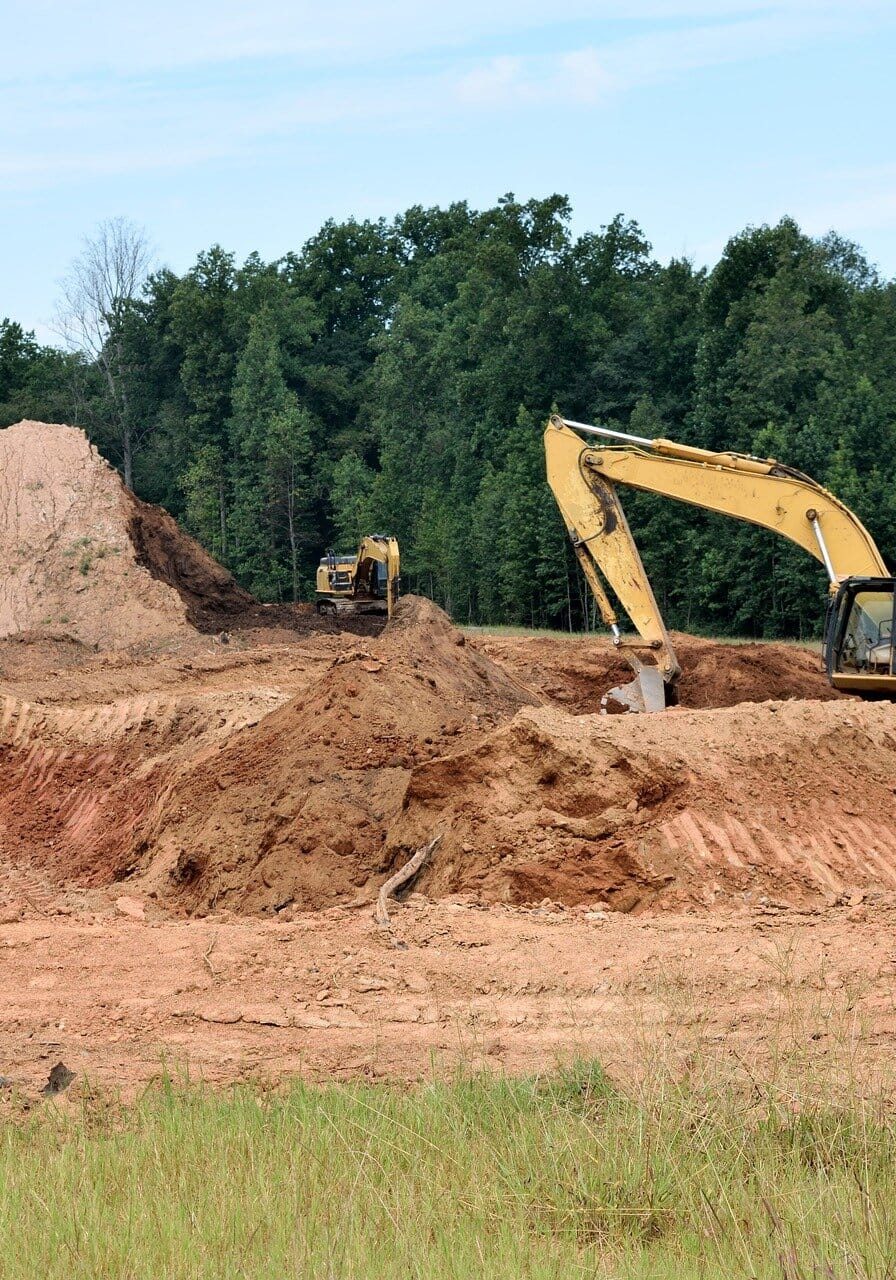
Land Preparation Solutions: Clearing, Grading, and Compaction for Your Build
At Excavate Alaska, we understand that expert soil preparation and soil improvement are essential for any successful construction project. Our skilled team uses advanced techniques and dependable equipment to address soil compaction, enhance soil structure, and optimize land topography, ensuring your site’s soils are fully prepared for building. From clearing trees and debris to improving drainage and precisely leveling surfaces, we handle every aspect of land preparation with care and accuracy.
Recognizing that every property is unique, we customize our services to meet the specific needs of your project and land. With years of experience serving Anchorage and the surrounding areas, Excavate Alaska is your trusted partner for thorough soil and site preparation, helping turn your vision into reality.
The Benefits of Choosing Excavate Alaska
Working with a professional site preparation contractor like Excavate Alaska provides numerous benefits for your project.
- Expertise and Experience: With years of industry experience, we can tackle even the most challenging projects.
- Customized Solutions: We tailor our services to suit the unique requirements of each property.
- Advanced Equipment: Our team uses modern tools and machinery to complete projects efficiently and effectively.
- Licensed and Insured: You can rest easy knowing that your project is in the hands of qualified professionals.
- Timely Execution: We pride ourselves on completing projects on schedule without compromising quality.
Proper site preparation is crucial for avoiding costly delays and repairs later on. By choosing Excavate Alaska, you’re investing in the long-term success of your project.
Why Excavate Alaska Stands Out Among Site Preparation Companies
Anchorage residents know they can count on Excavate Alaska for dependable land preparation services. Here’s what sets us apart from other site preparation contractors in the area.
- Unparalleled Customer Service: We prioritize clear communication and customer satisfaction every step.
- Comprehensive Services: We offer a full range of site preparation services, from small residential projects to large-scale commercial developments.
- Local Knowledge: Our team understands the unique demands of building in Anchorage’s diverse terrain and environmental conditions.
- Commitment to Safety: Safety is at the forefront of everything we do. Our team follows strict safety protocols to protect everyone involved.
- Affordable Pricing: We offer competitive rates without compromising on quality.
When you work with Excavate Alaska, you’re not just hiring a contractor but partnering with a team that genuinely cares about your success.
Excavate Alaska’s Dedication to Sustainability
We recognize the importance of protecting Alaska’s natural beauty and resources. Our land preparation services incorporate environmentally friendly practices, such as minimizing waste, recycling materials when possible, and using eco-conscious methods for debris removal.
We aim to contribute to a sustainable future for Anchorage and the surrounding areas by reducing our environmental footprint.
How to Keep Land Preparation Costs Under Control
Most land prep budget overruns come from surprises found after equipment is already on site: unexpected soft soil, buried debris, or a drainage problem nobody planned for. A few decisions made before work starts keep the scope predictable.
Plan Before Equipment Arrives
- Survey first. Confirm boundaries, setbacks, easements, slopes, and the building footprint before any clearing begins.
- Evaluate the soil. A soil evaluation shows whether native material can support a foundation or has to be removed and replaced with compacted fill. In Anchorage, silty soils and seasonal frost make this worth knowing early.
- Bundle the scope. Having one crew handle clearing, grubbing, grading, and excavation in a single mobilization avoids paying to move equipment on and off the site more than once.
- Ask for an itemized estimate. A breakdown of machine hours, labor, hauling, and materials lets you compare bids line by line instead of by total alone.
Match the Equipment to the Site
A small residential lot may only need a skid steer and a compact excavator, while a multi-acre commercial site calls for dozers and larger excavators. Rocky, wet, or heavily wooded ground can require different machines or attachments. Sizing the equipment to the job keeps hourly costs in line with the work being done.
Site Strategies That Reduce Cost
- Mulch on site where it fits. Grinding brush and small trees in place can reduce hauling and disposal. Stumps and roots under a building footprint still need to be grubbed out.
- Reuse suitable excavated soil. Clean, well-draining material can often go back in as grading fill or backfill. Organic or saturated material should not go under structures or pavement.
- Stockpile topsoil. Strip and set aside topsoil for final landscaping instead of hauling it off and buying it back later.
- Grade for drainage first. Shaping the site and adding swales handles much of the surface water before more expensive pipe drainage is needed.
- Work in the right part of the season. Late spring through summer gives drier ground, less erosion control, and less equipment downtime. See our guide to seasonal challenges in Alaska site preparation.
What Goes Wrong When Land Prep Is Skipped
Cutting land preparation short rarely saves money. These are the problems that show up most often on sites that were not properly cleared, graded, compacted, and drained:
- Settlement and cracking. Roots and organic material left in the ground decay and leave voids, and uncompacted fill settles. The result is sloping floors, cracked slabs, and broken driveways and sidewalks.
- Water against the foundation. Ground that slopes toward the building sends runoff and snowmelt to the foundation, leading to wet crawlspaces and basements, mold, undermined walkways, and runoff onto neighboring lots.
- Frost heave. Wet, poorly drained, frost-susceptible soil expands when it freezes and lifts footings, slabs, and flatwork. Good drainage and suitable compacted fill reduce that movement.
- Pests and root intrusion. Buried stumps and wood debris attract carpenter ants and rodents, and leftover roots can grow toward utility lines and foundation walls.
- Failed retaining walls and fences. Walls and posts set in uncompacted or undrained backfill lean and shift as the soil moves.
- Rework and delays. Soft spots or buried debris found mid-construction mean change orders, equipment bogging down, and sometimes removing finished work. Our article on what excavation crews do with bad soil, buried debris, and frozen ground covers how these are handled.
- Compliance problems. Grading, drainage, and erosion control work may need permits and inspections. Skipping them can lead to stop-work orders or required corrections.
Land Preparation Guides and Related Services
- Land Preparation Before Building in Anchorage: A Step-by-Step Guide
- Anchorage Build Timeline: Sequencing Land Prep, Grading, and Utilities
- Site Prep for Roads and Infrastructure
- Land Clearing, Land Grubbing, and Land Grading services
More Land Preparation Questions
Can I do some of the land prep work myself?
Some of it. Picking up debris, removing old fencing, and marking features you want to keep are reasonable owner tasks. Call 811 for utility locates before anyone digs. Tree removal, grading, excavation, and compaction should be left to an equipped crew to avoid safety risks and rework.
What is the difference between grading and leveling?
Grading sets the slope of the ground so water drains away from structures. Leveling makes a surface flat and even for a pad, slab, or lawn. Most building sites need both: the pad is leveled, and the area around it is graded to drain.
What is the most affordable way to clear a small lot?
For brush and small trees, mulching on site is often cheaper than cutting and hauling because it reduces disposal. Where a building, driveway, or other structure will go, stumps and roots still have to be grubbed out, so the cheapest option depends on what the cleared area will be used for.
How much does land preparation cost?
There is no flat rate. Cost depends on lot size, tree cover, soil conditions, how much fill has to be imported or hauled off, and the drainage work required. We give an itemized estimate after looking at the site.
Can the dirt from my lot be reused as fill?
Sometimes. Clean, granular material can often be reused for grading or backfill. Organic soil, topsoil, and wet silty material generally should not go under foundations or pavement. A soil evaluation tells you which material can stay.
Frequently Asked Questions
Are you ready to start your construction project with Excavate Alaska? Our expert team is here to provide top-notch land preparation services in Anchorage. Contact us today for a free consultation or request a quote to discuss your project needs. Whether you’re building a home, office, or other structure, we’ll ensure your site is perfectly prepared.
Contact Excavate Alaska Today – Your Trusted Site Preparation Contractor!


 Anchorage, AK