
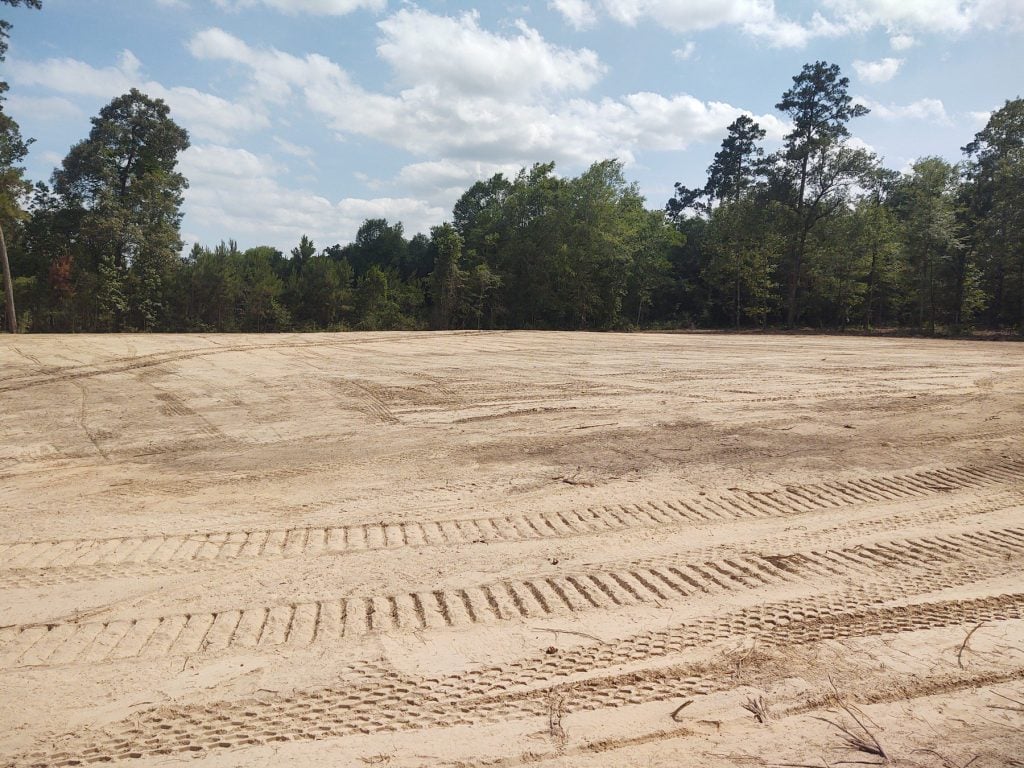
With improper land management, you risk facing severe drainage and erosion problems that can damage your property’s foundation and landscape. By choosing land grubbing, you remove unwanted vegetation and debris that obstruct natural water flow, reducing water pooling, soil erosion, and foundation damage. This process not only improves drainage but also helps protect your home from costly repairs and health hazards like mold. As an Anchorage-based company, Excavate Alaska emphasizes that proper land grubbing is a wise investment to maintain your property’s stability and value.
Key Takeaways:
- Land grubbing removes roots, stumps, and other debris that can block natural water flow, helping to prevent water pooling and poor drainage around your property.
- Clearing away obstructive vegetation stabilizes the soil and reduces the risk of erosion caused by heavy rainfall or runoff.
- By improving drainage paths and soil stability, land grubbing supports the protection of foundations and reduces the chances of costly water damage or structural issues.
The Road to Stability: How Land Grubbing Prevents Erosion
Unveiling Soil Erosion: Causes and Consequences
Soil erosion occurs when water runoff carries away your topsoil, stripping away nutrients vital for plant growth and foundation support. Heavy rains, especially after storms, can wash away inches of soil in mere hours. Without intervention, erosion leads to uneven ground, compromised landscaping, and heightened risk of flooding and structural instability. You might notice gullies forming or sediment clogging nearby drains, both signs that erosion is accelerating on your property.
Land Grubbing Techniques: A First Line of Defense
Land grubbing removes deep-rooted stumps, roots, and organic debris that block natural water flow and weaken soil structure. By utilizing heavy machinery like excavators and root rakes, you clear the way for effective grading and drainage. This process exposes compact soil layers, allowing water to infiltrate correctly rather than pooling on the surface, which can trigger erosion. Addressing these obstructions early prevents minor runoff problems from escalating into severe land degradation.
Excavate Alaska employs advanced grubbing tactics tailored to Anchorage’s varying terrain. For example, in sloped areas prone to landslides, aggressively removing root systems combined with contour grading has proven to reduce erosion by over 40% in local case studies. Additionally, by eliminating stumps that can cause uneven settling, you provide a stable base for future landscaping or construction projects, making land grubbing a necessary foundational step in long-term erosion control.
Elevating Water Management: The Role of Land Grubbing
Creating Efficient Drainage Paths
Land grubbing removes deep-rooted vegetation and organic matter that can block or divert natural water channels. Clearing these hidden obstructions allows water to follow designed drainage paths more effectively, reducing the risk of pooling or unwanted surface flow. In one Anchorage case, land grubbing combined with proper grading reduced stormwater buildup by 40%, preventing erosion along property edges and protecting nearby foundations from moisture damage.
Reducing Surface Runoff and Stagnation
By grading bare soil after grubbing, land gradually directs rainwater toward appropriate outlets like swales or drains, minimizing surface runoff that erodes topsoil. Eliminating low spots where water collects also cuts down on stagnant pools, which are breeding grounds for pests and promote mold growth. This approach keeps your landscape drier and more stable.
Excess surface runoff not only washes away valuable soil but also carries sediments and pollutants into nearby water systems, worsening environmental degradation. Proper land grubbing prevents these issues by creating smooth, contoured surfaces that slow down water flow and channel it efficiently. Furthermore, addressing stagnation areas reduces mosquito populations and lowers humidity levels, decreasing health risks and maintenance problems on your property over time.
The Impact of Vegetation Control on Drainage Efficiency
Overgrown Roots: A Barrier to Effective Drainage
Extensive root systems from overgrown trees and shrubs can penetrate and clog natural drainage channels, obstructing water flow and causing pooling in unwanted areas. These roots often compact the soil around them, reducing permeability and forcing water to collect on the surface, increasing erosion risks. By addressing root overgrowth through targeted land grubbing, you allow water to move freely across your property, minimizing stagnant pools and protecting your soil stability.
Harnessing Natural Resources: The Benefits of Clearing Weighty Flora
Removing dense, heavy vegetation like large trees and thick brush improves drainage by opening up pathways for runoff and lessening soil compaction. This also gives you better control over grading and installation of drainage systems, reducing flood risk and preventing soil erosion around your property.
Clearing weighty flora not only enhances water movement but also reduces competition for soil moisture, allowing grass and smaller plants to establish healthier root systems that stabilize soil. In one study, properties that underwent comprehensive vegetation removal experienced a 30% reduction in surface runoff volume during heavy rainfall events. This natural resource management reduces pressure on artificial drainage solutions while improving land resilience to future storms, offering a sustainable approach to combat erosion and foundation undermining.
Moisture Management: Curbing the Threat of Mold and Mildew
Identifying the Mold Risk: How Poor Drainage Contributes
Water pooling near your foundation creates the ideal conditions for mold development by seeping into basements and crawl spaces. Consistently saturated soil around your home increases condensation issues inside, encouraging mold growth on walls and floors. Overgrown vegetation and clogged drainage channels trap moisture, raising indoor humidity levels that enable mold spores to multiply rapidly. These factors combine to make poor drainage a key driver of persistent, hidden mold problems that not only damage your property but also threaten your health.
Preventive Measures: Land Grubbing as a Mold Deterrent
Removing dense brush, roots, and debris through land grubbing clears the way for improved drainage and airflow, significantly reducing moisture buildup around your property. By eliminating stagnant water and shaded, damp areas, you directly target the environments where mold thrives, cutting off its growth before it starts and protecting your home’s structural integrity.
Extensive land grubbing prepares the soil surface by stripping away organic matter and dense undergrowth that block natural water runoff. This process opens drainage pathways so water flows quickly and evenly away from structures, preventing the kind of moisture accumulation that leads to mold infestations. In Anchorage, where seasonal rainfall and snowmelt can saturate the ground for extended periods, efficient land grubbing minimizes prolonged dampness. It also allows more sunlight to reach the soil, accelerating drying times and discouraging mold spores. Combined with proper grading and drainage installation, land grubbing acts as a frontline defense, reducing mold-related remediation costs—which can exceed $10,000—and lowering health risks associated with indoor mold exposure.
Foundation Fortification: Protecting Your Property
How Soil Saturation Affects Structural Integrity
Saturated soil around your foundation increases hydrostatic pressure, forcing water into cracks and porous materials. Over time, this pressure can cause foundations to shift, crack, or even settle unevenly, leading to costly structural repairs. Excess moisture also accelerates wood rot and corrosion of metal reinforcements. Properties in Anchorage and similar climates are especially vulnerable during heavy snowmelt or prolonged rainfall when soil remains saturated for extended periods, making adequate drainage and land grubbing vital for maintaining your home’s structural health.
The Long-Term Benefits of a Cleared Landscape
A cleared landscape improves water runoff, reducing soil saturation and erosion that threaten your foundation’s stability. With roots and stumps removed, the ground settles more uniformly, minimizing shifting risks. Over the years, this proactive approach has helped maintain stronger, more resilient foundations, potentially saving you from repairs that can range from $5,000 to over $20,000 for moderate to severe damage. Additionally, cleared land offers better access for routine inspections and foundation reinforcements when necessary.
Continued maintenance of a well-maintained landscape supports healthier soil compaction, preventing uneven settlement around your home. By enabling proper grading and reducing organic debris buildup, you’re creating a landscape that naturally channels water away from your structure. This not only protects structural elements but also discourages pests attracted to damp environments, contributing to a safer, more durable property. Proper earth-moving services in Anchorage, like those provided by Excavate Alaska, ensure your land is optimally prepared to mitigate drainage issues and defend your foundation long-term.
Costs of Inaction: Analyzing the Financial Implications
Immediate Costs: Repairing the Damage of Poor Drainage
Fixing water damage can quickly drain your finances. Flooded basements often require expensive sump pump installations or complete waterproofing, which can exceed $7,000. Foundation repairs due to shifting soil caused by erosion and poor drainage frequently run upwards of $15,000. Mold remediation alone ranges from $500 to $10,000, depending on severity. Ignoring drainage problems puts you at risk of facing multiple repair bills simultaneously, all of which could have been mitigated with timely land grubbing and proper water management.
Long-Term Savings: Investing in Land Grubbing for Property Value
Consistent land grubbing dramatically lowers the likelihood of costly repairs by maintaining stable soil and adequate water runoff. Well-maintained drainage preserves your foundation’s integrity and prevents erosion, enhancing your property’s longevity and appeal. Properties with sound drainage systems often see a 5 to 10 percent increase in market value, as buyers prioritize homes with fewer structural risks. Investing upfront protects your wallet from future financial strain and bolsters the long-term equity of your property.
Beyond just initial savings, land grubbing serves as a strategic investment in your property’s resilience and marketability. Preventing soil erosion keeps your land usable and attractive, which is essential if you ever choose to sell or develop. Additionally, insurance companies tend to offer more favorable rates for homes with reduced flood and water damage risks, translating into ongoing savings. Anchorage homeowners who partner with experienced professionals, such as Excavate Alaska, gain access to tailored grading and drainage solutions that optimize runoff and safeguard foundations in our local climate. By addressing potential water issues early through land grubbing, you avoid the ripple effect of escalating damages, making your property safer, healthier, and financially sound for years to come.
Ecological Considerations: Balancing Land Grubbing with Environmental Health
Understanding Ecosystem Disruption and Replanting
Land grubbing inevitably disturbs the natural habitat by removing vegetation and topsoil layers, which disrupts local wildlife and soil microbiomes. You can mitigate these effects by implementing thoughtful replanting strategies focusing on native species that restore soil health and habitat connectivity. For example, reintroducing deep-rooted plants helps stabilize soil and promotes water infiltration, reducing erosion risks while fostering ecosystem recovery over time.
Sustainable Land Grubbing Practices: Keeping Nature in Harmony
Adopting sustainable land grubbing methods involves selective clearing, preserving critical vegetation buffers, and minimizing soil compaction. These practices reduce the impact on the natural water cycle and wildlife corridors, helping maintain ecological balance around your property.
Techniques like phased clearing allow natural regeneration alongside soil disturbance, enabling habitats to adjust gradually rather than collapse abruptly. Incorporating erosion control measures such as silt fences or biodegradable mats immediately after grubbing can prevent sediment runoff into waterways. Studies in Alaska have shown that limiting grubbed areas to less than 30% of a plot reduces adverse effects on local flora and fauna while preserving natural drainage patterns. Partnering with environmental consultants who assess soil composition and hydrology before starting work can further optimize your land management plan with sustainability in mind.
Key Strategies for Successful Land Grubbing
Hiring Professionals: What to Look For
Choosing the right experts for land grubbing means assessing their experience with heavy equipment and understanding of local soil and drainage conditions. Look for licenses, insurance, and a robust portfolio showcasing projects similar to yours. Contractors knowledgeable about erosion control techniques and state regulations ensure your property is handled safely and efficiently. This combination of expertise reduces the risk of improper grading that can worsen drainage and erosion problems.
DIY Approaches: Tips and Tools for Homeowners
Homeowners tackling land grubbing themselves should prioritize safety and effective equipment use. Compact excavators, brush cutters, and soil rakes are necessary tools for removing vegetation and root systems that block water flow. Addressing minor drainage issues early with targeted grubbing and regrading prevents costly damage. This hands-on approach requires patience and attention to detail to maintain natural runoff paths and protect your property’s stability.
For those managing land grubbing on a smaller scale, using the right tools amplifies the effectiveness of your efforts. A mini excavator or skid steer loader fitted with a brush cutter attachment can swiftly clear dense vegetation. Hand tools like mattocks and grub hoes help tackle stubborn roots without disturbing soil structure excessively. Consistent monitoring of drainage flow post-clearing allows you to adjust grading or add simple solutions such as swales or French drains. This strategic combination of equipment and techniques minimizes erosion risks while preserving soil integrity.
- Land grubbing involves the removal of trees, roots, and stumps that impede water drainage.
- Effective use of brush cutters and excavators accelerates clearing and reduces soil disturbance.
- Regarding redirects, runoff is used to prevent water pooling and soil erosion.
- Swales and French drains complement grubbing by enhancing water movement.
- This methodical approach preserves your property’s long-term health and stability.
To wrap up
From above, you can see that land grubbing plays a vital role in preventing drainage and erosion problems on your property. By removing roots, stumps, and debris, you improve water flow, reduce soil instability, and protect your foundation from moisture damage. Taking these steps helps you avoid costly repairs, minimize health risks like mold growth, and maintain the long-term value and safety of your land. For property owners in Anchorage and beyond, investing in professional land grubbing through companies like Excavate Alaska ensures your land remains well-drained and erosion-resistant.
FAQ
Q: How does land grubbing improve water drainage on a property?
A: Land grubbing involves the removal of roots, stumps, and organic debris that can obstruct natural water flow. By clearing these obstructions, water can move freely across the terrain, preventing pooling and stagnant water. Improved drainage reduces the risk of erosion and minimizes moisture buildup around foundations, which helps protect the structural integrity of buildings on the property.
Q: In what ways does land grubbing help reduce soil erosion?
A: Soil erosion often occurs when heavy rainwater washes away loose or poorly anchored soil. Land grubbing prepares the ground by removing debris and unstable vegetation, allowing for proper grading and soil stabilization measures to be implemented. This helps maintain the soil’s strength and prevents valuable topsoil from being carried away by runoff, preserving the property’s landscape and fertility.
Q: Can land grubbing prevent damage related to poor drainage and erosion over time?
A: Yes, land grubbing is an effective preventive measure. Creating a clear, stable base facilitates better water management practices, such as installing drainage systems and proper grading. This proactive work reduces the risk of water pooling, foundation damage, and the development of muddy or unstable ground conditions. Over time, this helps maintain property value and reduces the potential for costly repairs. Excavate Alaska, based in Anchorage, specializes in land grubbing services that support long-term drainage and erosion control.

As the owner and founder of Excavate Alaska, I’m passionate about delivering reliable, high-quality excavation services to the Anchorage community and beyond. With over a decade of hands-on experience in the industry, I’ve built Excavate Alaska on the values of integrity, professionalism, and customer-first service. My team and I specialize in site preparation, land clearing, grading, trench digging, and full-scale excavation for both residential and commercial projects.