
How Much Does a Retaining Wall Cost in Anchorage?
If you are planning a retaining wall in Anchorage, cost is usually one of the first questions that comes up.
A small wall used for light landscaping may cost far less than a taller structural wall built to hold back a steep slope, protect a driveway, or manage drainage around a home. That is why there is no one-size-fits-all price.
In 2026, the average cost of retaining wall projects is $35 to $65 per square foot, including materials and professional labor. However, more complex projects can cost more depending on wall size, soil conditions, drainage needs, and access to the work area. Some 2026 cost guides place retaining wall installation in a broader range of about $20 to $100+ per square foot, depending on material and complexity.
In Anchorage, pricing can also be shaped by local site conditions. Sloped lots, freeze-thaw movement, heavy soils, poor drainage, and limited equipment access can all affect the final estimate.
For homeowners comparing retaining wall cost estimates in Anchorage, the most important thing to understand is what is included. A low quote may not include proper excavation, base preparation, drainage stone, backfill, or reinforcement. Those details matter because a retaining wall is not just a decorative feature. It has to manage pressure from soil and water over time.
Excavate Alaska helps homeowners plan retaining wall projects with the right site preparation, drainage planning, and installation approach for Anchorage properties.
Why Retaining Wall Costs Vary So Much
Retaining wall prices vary because every property is different.
A short garden wall in a flat backyard is not the same as a wall built along a sloped driveway or near a foundation. The amount of soil being retained affects the extent of excavation, base work, drainage, and reinforcement required.
Wall height is one of the biggest cost factors. As a wall gets taller, it usually needs a stronger base, more material, better drainage, and more careful construction. Taller walls may also require added reinforcement or extra planning to reduce long-term movement.
Length also matters. A longer wall uses more block, stone, concrete, gravel, fabric, drain pipe, and labor. However, the cost per square foot may shift depending on how efficiently the project is built.
Access is another major factor in Anchorage. If equipment can easily reach the wall area, excavation and material placement are usually more efficient. If the crew has to work in a tight backyard, around trees, near fences, or on a narrow side yard, labor time can increase.
Soil and drainage conditions can also increase costs. A wall that holds back wet soil needs the right drainage system behind it. Without proper drainage, water pressure can build behind the wall and cause leaning, cracking, bulging, or failure.
Average Retaining Wall Cost by Project Size
A small retaining wall may be used for a garden bed, a minor grade change, or a simple landscaping feature. These smaller walls are often more affordable because they hold back less soil and may not require heavy reinforcement.
A medium retaining wall may be used to create a flatter yard, support a patio area, manage a slope, or improve drainage around a home. This type of wall usually needs more excavation, stronger base preparation, and proper drainage behind the wall.
A larger retaining wall may be needed for steep slopes, driveway support, erosion control, or properties with major grade changes. These projects often involve more planning, materials, labor, and attention to long-term stability.
As a general planning range, a basic residential retaining wall may cost several thousand dollars, while larger or more complex walls can move well beyond that. Some 2026 guides show typical residential projects ranging from around $4,000 to $15,000, with larger, more difficult projects costing much more.
For Anchorage homeowners, the best way to get an accurate estimate is to consider the wall’s height and length, site access, drainage needs, material type, and whether the project is purely decorative or structural.
Material Choice and How It Affects Price
The material you choose directly impacts retaining wall costs and Anchorage pricing.
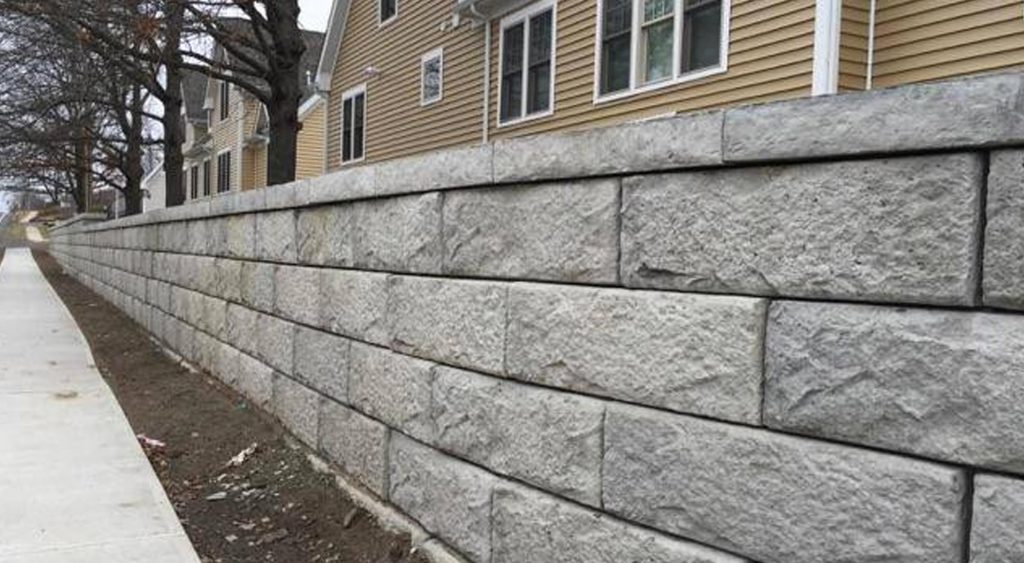
Concrete block systems are common because they offer a clean look and can work well for many residential retaining wall projects. They are often used for yards, slopes, garden areas, and driveway edges. The cost depends on the block style, wall height, base work, and drainage needs.
Poured concrete walls may be used when strength and a smooth appearance are priorities. These walls can require more formwork, planning, and labor. They may be a good fit for certain structural situations, but the final price depends heavily on access, wall size, and site conditions.
Natural stone can create a strong visual appeal, but it often comes with higher labor costs. Stone placement takes time, and the material itself may cost more depending on availability, size, and style.
Timber walls may be less expensive upfront in some cases, but they may not be the best long-term choice for every Anchorage property. Moisture, soil pressure, and freeze-thaw conditions can shorten the lifespan of wood compared to some other wall systems.
The right material should be based on more than appearance. It should match the slope, drainage needs, soil pressure, and long-term use of the space.
Drainage Is One of the Biggest Cost Factors
Drainage is one of the most important parts of a retaining wall project.
A retaining wall holds back soil, but it also has to deal with water. When water builds up behind a wall, pressure increases. Over time, that pressure can push the wall forward, cause cracking, or weaken the structure.
In Anchorage, drainage is especially important because moisture, snowmelt, and freeze-thaw cycles can add stress to outdoor structures. A wall that looks fine during installation can develop problems later if water is trapped behind it.
A proper retaining wall drainage system may include gravel backfill, filter fabric, perforated drain pipe, and a safe outlet for water to move away from the wall. These items add to the project cost, but they also help protect the wall.
Skipping drainage to save money can lead to more expensive repairs later. When comparing estimates, homeowners should ask whether drainage materials and installation are included.
Excavate Alaska’s retaining wall systems are planned with site conditions in mind, including grading, drainage, and the surrounding landscape.
Excavation and Site Preparation Costs
Before a retaining wall can be built, the site usually has to be prepared.
This may include removing soil, clearing vegetation, cutting into a slope, leveling the base area, hauling away excess material, or bringing in gravel and backfill. The amount of excavation depends on the wall’s size and the property’s shape.
A proper base is essential. Retaining walls need a stable foundation so the wall can sit evenly and resist movement. If the base is weak, uneven, or poorly compacted, the wall may settle over time.
In some Anchorage yards, existing soil conditions can make site preparation more involved. Soft soil, wet areas, roots, buried debris, or steep grades can add labor and equipment time.
Site preparation is one reason two walls of the same size can have very different prices. One wall may be built in an open, easy-to-reach area with stable soil. Another may require more digging, hauling, drainage work, and careful grading.
That is why the cheapest estimate is not always the best value. A wall is only as good as the preparation behind and below it.
Wall Height and Structural Needs
Wall height plays a major role in both cost and planning.
A short wall used for a garden bed may not need the same level of reinforcement as a taller wall holding back a steep slope. As height increases, soil pressure increases. That means the wall must be designed and built to handle more force.
Taller walls may need geogrid, stronger base preparation, additional drainage, or other reinforcement methods. They may also require more careful planning depending on the property and local requirements.
Even a simple wall can become more complex if it supports a driveway, parking area, patio, shed, or another structure above it. Added weight near the top of the wall can increase pressure.
Homeowners should also think about what is behind the wall. A wall holding back a small planting bed is very different from a wall protecting a home, driveway, or slope.
When reviewing retaining wall cost estimates, ask how the contractor accounts for height, soil pressure, drainage, and the load behind the wall.
Labor Costs in Anchorage
Labor is a major part of retaining wall pricing.
Building a retaining wall involves more than stacking blocks or placing stone. Crews may need to excavate, compact the base, install drainage, place materials, check alignment, backfill in layers, and grade the surrounding area.
Anchorage projects may also require added planning around weather, access, soil moisture, and seasonal timing. Outdoor construction windows can be shorter, and site conditions can change quickly.
Labor costs can increase when the project area is hard to reach. A wall behind a home with limited access to equipment may require more manual labor. A steep slope may require extra care for safety and stability. A wall near existing landscaping, utilities, fencing, or structures may also take more time.
Professional installation costs more than a basic do-it-yourself approach, but it also helps reduce the risk of wall movement, poor drainage, and early failure.
For many homeowners, the goal is not just to get the wall built. The goal is to get a wall that holds up, drains correctly, and fits the property.
Permits, Planning, and Local Requirements
Some retaining wall projects may require permits or additional planning depending on height, location, and site conditions.
Requirements can vary based on the property and the type of wall being built. A small landscape wall may be simple, while a taller structural wall may need more review.
If a wall is near a property line, driveway, drainage path, utility area, easement, or structure, it is important to plan carefully before work begins. Moving a wall after installation is far more expensive than placing it correctly the first time.
Homeowners should also consider water flow. A retaining wall can change how water moves across a yard. If runoff is not properly directed, it may cause pooling, erosion, or drainage problems in nearby areas.
Planning helps avoid those issues. It also helps make sure the wall fits the property’s grade and long-term use.
Why Anchorage Properties Need Careful Retaining Wall Planning
Anchorage properties often have conditions that make retaining wall planning important.
Sloped yards are common in many areas. A retaining wall can help create usable outdoor space, reduce erosion, support landscaping, and improve the property’s appearance.
However, cold weather, snowmelt, and freeze-thaw cycles can cause soil to move. Water that gets trapped behind or below a wall can freeze, expand, and increase pressure. That is why drainage and base preparation are so important.
A well-built retaining wall should be planned for the local environment. It should account for how water moves, where snow collects, how the slope behaves, and how the space will be used.
For example, a wall near a driveway may need a different approach than a wall around a garden bed. A wall supporting a slope near a home may require more attention than a decorative wall in a flat yard.
Excavate Alaska understands the importance of site preparation, grading, drainage, and wall placement for Anchorage homes.
Signs You May Need a Retaining Wall
A retaining wall may be helpful if your yard has soil movement, erosion, or steep grade changes.
You may notice soil washing away after rain or snowmelt. You may see low spots where water collects. You may have a slope that is hard to mow, plant, or use. You may also have areas where soil is pushing toward a driveway, walkway, patio, or foundation.
Retaining walls can also help create usable space. A sloped backyard can be shaped into flatter sections for landscaping, seating areas, lawn space, or garden beds.
In some cases, a wall is part of a larger drainage or grading solution. If water is moving toward the home, a wall alone may not fix the problem. The project may also need grading adjustments, drainage features, or soil correction.
That is why it is important to look at the entire site rather than just the wall location.
How to Budget for a Retaining Wall in 2026
The best way to budget for a retaining wall is to start with the basics: height, length, material, and purpose.
Measure the approximate length of the wall area. Think about how tall the wall may need to be. Consider whether the wall is primarily decorative or must hold back a significant slope.
Then think about access. Can the equipment reach the area? Is there room for materials? Will soil need to be hauled away? Are there obstacles such as fences, trees, sheds, utilities, or tight side yards?
Next, consider drainage. If the area is wet, sloped, or near the home, drainage should be included in the budget from the beginning.
It is also smart to leave room in the budget for site-related adjustments. Once excavation begins, hidden issues may appear, such as poor soil, buried debris, roots, or water problems.
For retaining wall cost and Anchorage planning, a realistic budget should include more than just visible wall materials. It should include excavation, base preparation, drainage, backfill, labor, cleanup, and final grading.
Ways to Control Retaining Wall Costs Without Cutting Corners
There are smart ways to manage the cost of a retaining wall without weakening the project.
One option is to choose a practical wall material that fits the site rather than the most expensive decorative option. A clean, durable block system may be enough for many homes.
Another option is to keep the wall design simple. Curves, corners, steps, tiers, and special finishes can increase labor and material needs. Sometimes a straightforward layout performs well and costs less.
Planning the wall in the right location can also help. A wall placed where access is easier may cost less to build than one squeezed into a difficult area.
It may also be possible to combine the retaining wall project with grading or drainage improvements. This can be more efficient than doing separate projects at different times.
What homeowners should not cut is drainage, base preparation, or proper backfill. Those are the parts that help the wall last.
A cheaper wall that fails early is not a bargain. A properly planned wall can save money over time by reducing repair needs and protecting the property.
When a Retaining Wall Is Worth the Investment
A retaining wall can be a strong investment when it solves a real property problem.
If your yard is losing soil, a wall can help control erosion. If a slope makes your outdoor space hard to use, a wall can help create flatter, more usable areas. If water and soil are moving toward your home, a wall may be part of a broader grading and drainage plan.
Retaining walls can also improve curb appeal. A clean wall can frame landscaping, define outdoor spaces, and give the yard a more finished appearance.
The value comes from both function and appearance. A wall that looks good but does not drain properly can become a problem. A strong but poorly placed wall may not solve the property issue.
The best result comes from matching the wall design to the site.
Getting an Accurate Retaining Wall Estimate in Anchorage
An accurate estimate requires more than a quick square-foot calculation.
A contractor should look at the slope, soil, drainage, access, wall height, wall length, material choice, and what the wall needs to support. The estimate should explain what is included, especially excavation, base preparation, drainage, backfill, and cleanup.
Homeowners should be cautious of estimates that focus only on the visible wall material. The parts behind the wall are often what determine long-term performance.
Before approving a project, ask what type of drainage will be used. Ask how the base will be prepared. Ask where the water will go. Ask whether the wall needs reinforcement. Ask how the surrounding grade will be finished.
These questions make it easier to compare bids and understand the true cost of retaining walls that Anchorage homeowners should expect.
Excavate Alaska can review the property, discuss the project goals, and help determine the right retaining wall approach for the site.
Retaining Wall Cost in Anchorage
Retaining wall costs in Anchorage depend on wall size, material, drainage, excavation, labor, access, soil conditions, and the wall’s purpose.
A simple landscape wall may be relatively affordable. A taller wall that holds back a slope or protects part of the property will usually require more planning and a larger budget.
For 2026, many homeowners can use broad per-square-foot pricing as a starting point, but the final cost should always be based on the actual property. Local conditions matter.
The most important thing is to build the wall correctly from the start. Strong base preparation, proper drainage, and careful grading can make a major difference in how well the wall performs over time.
If you are comparing retaining wall options in Anchorage, Excavate Alaska can help you understand your property’s needs and the factors that may affect the final cost.
FAQs
How much does a retaining wall cost in Anchorage in 2026?
Retaining wall cost in Anchorage can vary widely based on height, length, material, drainage, excavation, and site access. Many projects are priced by the square foot of wall face, but the final estimate should include base preparation, drainage, backfill, labor, and cleanup.
What is the biggest factor that affects retaining wall cost?
Wall height is one of the biggest cost factors because taller walls must resist greater soil pressure. Drainage, access, material choice, and soil conditions also play a major role in the final price.
Does drainage increase the cost of a retaining wall?
Yes, drainage can increase the upfront cost, but it is one of the most important parts of the project. Proper drainage helps reduce water pressure behind the wall and can prevent leaning, cracking, or failure over time.
What type of retaining wall is best for Anchorage homes?
The best type depends on the slope, soil, drainage needs, wall height, and how the space will be used. Concrete block systems are common for many residential projects, but the right choice should be based on the site.
Can Excavate Alaska help with retaining wall planning and installation?
Yes. Excavate Alaska can help Anchorage homeowners plan retaining wall projects by reviewing site conditions, drainage needs, grading, access, and the wall’s overall purpose.

As the owner and founder of Excavate Alaska, I’m passionate about delivering reliable, high-quality excavation services to the Anchorage community and beyond. With over a decade of hands-on experience in the industry, I’ve built Excavate Alaska on the values of integrity, professionalism, and customer-first service. My team and I specialize in site preparation, land clearing, grading, trench digging, and full-scale excavation for both residential and commercial projects.