
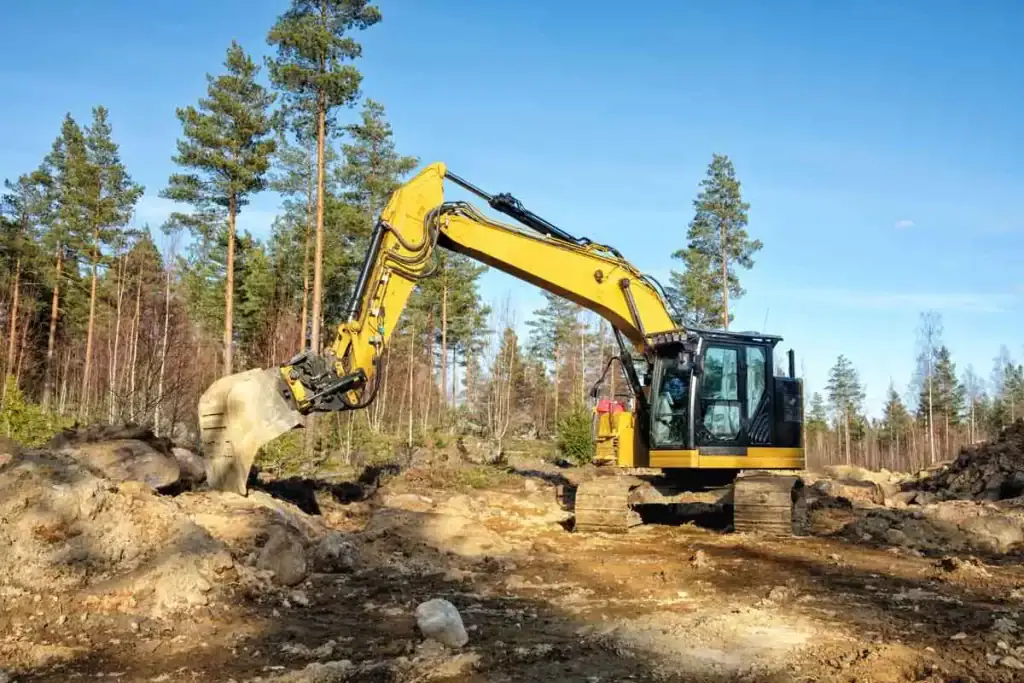
Many winters force you to adapt to short, intense construction seasons, as thawing schedules and permafrost affect timelines; you must plan for dangerous frost heave and unstable ground, heavy snow, and remote logistics that raise costs, while benefiting from extended summer daylight and specialized equipment advances that increase productivity; for practical guidance and services tailored to Alaska’s cycles, visit Excavate Alaska at https://excavatealaska.com/ to see how your project can succeed despite these constraints.
Key Takeaways:
- Short, intense construction seasons and spring thaw create tight schedules and frequent site-access problems.
- Permafrost, frost heave, and seasonal thaw cycles demand specialized techniques for excavation, drainage, and fill placement.
- Logistics—fuel, parts, mobilization, and workforce housing—require proactive planning to avoid costly delays and equipment downtime.
Site preparation in Alaska is dominated by the rhythms of the seasons. Winter brings very cold temperatures, limited daylight in some regions, and frozen ground that can both enable heavy work (frozen access roads and stable mats) and complicate excavation (hard frozen layers, brittle materials). Spring melt and summer’s thaw introduce waterlogged soils, loss of bearing capacity, and active permafrost degradation that can destabilize fills, foundations, and access routes. To succeed, contractors must match methods to the season: using winter roads and ice pads for heavy mobilization, installing temporary drainage and dewatering systems during thaw, and applying insulation or engineered fills where permafrost is present. Equipment maintenance schedules need to be aligned with long transport lead times and extreme wear from abrasive soils and cold starts. Permitting, community coordination, and environmental protections (wetlands, salmon streams, and erosion control) also take more lead time in remote areas. Proactive scheduling, staged mobilization, and investing in the right materials and winterized equipment reduce weather-related downtime. For more information on site preparation services and local best practices in Alaska, visit Excavate Alaska: https://excavatealaska.com/
The Environmental Impact of Alaska’s Climate on Site Preparation
Seasonal Variability and Its Effects
Short summers—often a narrow window of roughly 90–120 days in many regions—force you to compress earthworks, while prolonged winters give you frozen ground that supports heavy equipment and seasonal ice roads. Spring thaw turns access routes to mud and can produce frost heave and settlement that damages grades, utilities, and temporary pads, so your scheduling, haul plans, and material staging must align tightly with these seasonal swings.
The Role of Permafrost in Project Viability
Permafrost underlies about 85% of Alaska, and your site’s viability hinges on whether the ground is ice-rich or discontinuous permafrost; active layers commonly range 0.5–2 meters (up to ~3 m in some interior zones), so shallow foundations without thermal protection often lead to rapid settlement and costly repairs.
Design strategies you’ll rely on include elevated structural supports, thick gravel pads to insulate the ground, and thermosyphons used on the Trans‑Alaska Pipeline’s ~800‑mile route to passively remove heat and preserve frozen soils. Geotechnical borings and ground‑temperature monitoring—boring spacings of 50–100 m in variable terrain—let you map ice content and active‑layer depth; failing to do so can produce localized subsidence measured in decimeters to meters, utility ruptures, and repair bills that run into the hundreds of millions statewide over time. Your mitigation choices directly affect foundation type, gravel volumes (often several meters of compacted fill), and long‑term maintenance budgets.
Navigating Extreme Weather Conditions
The Challenges of Snow and Ice Accumulation
Snow and ice frequently create hidden load and slip hazards on sites: drifts of 3–6 feet (1–2 m) can bury equipment, while heavy, wet snow increases structural loads and blocks drainage. Anchorage averages roughly 75 inches (190 cm) of snow annually, so you must plan for frequent clearing, heated enclosures for controls, and regular de-icing of tracks and joints to keep crews and machines operational and safe.
Windswept Terrain: Implications for Equipment and Safety
Open coastal and ridge sites expose you to sustained winds that routinely top 40 mph (64 km/h), with gusts over 70 mph (113 km/h) in extreme events, forcing limits on crane lifts and increasing overturn risk. You need wind monitoring, lowered boom profiles, and strict lift-stop criteria—many teams suspend operations once gusts exceed 25–30 mph (40–48 km/h) to prevent tip-overs and flying debris incidents.
You should deploy fixed and portable anemometers across the site to capture gust variability and log trends before each lift; combine that data with crane manufacturer derating charts and enforce a written wind policy. Anchor outriggers to ground mats or driven anchors, use low-profile buckets and counterweight increases where allowable, and install temporary wind fences or snow berms to reduce turbulence—fences can cut wind speed by 30–50% in the lee. Cold-weather effects compound risks: diesel can begin to gel near -20°F (-29°C), and batteries can lose up to 50% capacity below -20°C, so incorporate fuel winterization, battery warmers, block heaters, and scheduled warm-up cycles into your wind response plan to keep equipment reliable during high-wind events.
Timing and Scheduling: The Short Window of Opportunity
The Race Against the Freeze: Project Timelines
You typically have a 90–120 day construction window from late May through September in most of Alaska; coastal or interior sites can shrink that to 60–75 days. Mobilization, permitting, and staging eat into that window, so you must sequence heavy-grading, drainage, and utilities tightly to avoid freeze-back and permafrost damage that can force costly work stoppages or redesigns.
Seasonal Workforce Availability and Training Needs
Local labor pools are limited outside hubs like Anchorage and Fairbanks, so you often fly crews in or hire transient workers, increasing per-person mobilization costs and logistical complexity. Plan for pre-season training (8–40 hours), OSHA/site-specific orientation, and cold-weather PPE provisioning to meet safety and productivity expectations before ground operations begin.
Expect to coordinate travel logistics—one-way commercial flights to remote villages commonly run $400–$1,200, and charter lifts cost significantly more—so your crew-planning affects the project budget directly. You should schedule an on-site orientation that covers cold-stress recognition, hypothermia response, trenching/compaction techniques for thaw-sensitive soils, and equipment pre-warm procedures. Many contractors stage a 1–2 week ramp-up where operators complete heated-equipment warm-ups and permafrost mitigation drills; this reduces early-season equipment failures and lowers incident rates. If you subcontract, require documented certifications (10– or 30‑hour OSHA, First Aid/CPR, heavy-equipment operator qualifications), and build contingency days into your schedule for weather or crew turnover to avoid missing the narrow working window.
Compliance and Regulatory Hurdles
Understanding State and Federal Regulations
Alaska projects typically require permits from entities like the US Army Corps of Engineers (Section 404/401), EPA/NPDES for stormwater, Alaska Department of Natural Resources, ADEC, and ADF&G for instream work. You should budget for permit review times of roughly 30–180 days, depending on complexity; individual USACE permits often push schedules and can trigger work stoppages if missed. Early pre-application meetings cut risk and help you stack seasonal windows with permit timelines.
Environmental Impact Assessments: A Seasonal Necessity
Projects on federal land, using federal funds, or affecting sensitive habitat trigger NEPA analyses (EA or EIS) and often Section 106 historic reviews; those reviews can add weeks to months and impose seasonal constraints like fish-spawn or bird-nesting windows. You’ll need baseline surveys timed to biological cycles—missing those windows frequently forces multi-month delays and compensatory mitigation requirements.
Detailed assessments typically include wetland delineations, fisheries and wildlife surveys, permafrost and geotechnical studies, and cultural resource investigations. Fisheries surveys are most effective in summer months, while archeological work may require low-water or frozen-ground access; plan fieldwork around those windows to avoid repeat surveys. Permit-mandated mitigation—bank stabilization, silt curtains, or wetland restoration—can affect design and add contingency of 5–25% to budgets. Coordinating a single environmental consultant to handle NEPA, ADF&G, ADEC, and SHPO filings reduces back-and-forth, and scheduling pre-application meetings with USACE and ADF&G often shortens review by giving you clear data needs before seasonal windows close.
Economic Fluctuations: Material Costs and Labor Expenses
Price Volatility: The Cost of Construction Materials
Lumber, steel, aggregate and diesel routinely swing in price, and in Alaska you often pay a 20–40% premium over Lower 48 rates because of freight and limited barge windows; the barging season (roughly May–October) forces you to stockpile material or accept steep rush charges, while a single delayed barge can add tens of thousands to a mid-sized site-prep budget.
Labor Market Trends: Seasonal Employment Patterns
Summer brings a workforce surge—many firms expand crews by 30–50%—and winter shrinks your available skilled labor, driving you to pay higher wages, housing stipends, and travel allowances; those incentives often translate into 10–25% additional labor costs on seasonal projects.
Hiring strategies that work for you include locking key trades with short-term contracts, offering guaranteed 40-hour weeks and providing on-site or nearby housing during peak months; subcontractor retention can be improved with modest retention bonuses or per-diem packages, and allocating contingency for weather-related downtime and shift premiums (often built at 5–15% of labor line items) prevents budget overruns on remote sites.
Technological Adaptations to Alaskan Conditions
Innovative Equipment Designed for Harsh Environments
You outfit machines with Arctic-grade modifications: hydraulic fluids and lubricants rated to -40°F (-40°C), battery warmers, fuel-line heaters, and insulated cabs to keep crews productive during long winter shifts. Low-ground-pressure undercarriages and wide tracks reduce frost heave damage while heated buckets and quick-change cutting edges limit ice buildup. Manufacturers’ Arctic packages, often certified for operation below -30°F (-34°C), let you maintain uptime and reduce emergency repairs on remote Alaska jobsites.
Embracing Remote Sensing and Data Analytics
You use drones, LiDAR, and thermal imaging to map terrain and identify unstable ground faster than traditional survey crews; some contractors report site reconnaissance completed up to 60% faster. Ground-penetrating radar (GPR) and InSAR satellite data help you spot permafrost anomalies and subsidence before excavation begins, lowering safety risk and costly rework.
Deploying weekly UAV LiDAR flights combined with multispectral and thermal sensors gives you centimeter-scale topography and temperature signatures that expose early thaw patterns. Integrating Sentinel-1 InSAR deformation feeds and GPR profiles into a GIS lets you build predictive models—machine-learning algorithms can flag areas likely to settle or flood during spring melt. Field teams then schedule heavy lifts in stable windows, adjust pad compaction, or redesign drainage proactively, which many Alaska contractors find reduces unforeseen delays and repair costs on sensitive permafrost sites.
Local Partnerships: The Key to Successful Site Preparation
Collaborating with Indigenous Communities
Engage tribal councils and Alaska Native Corporations (ANCSA) early—ANCSA created 12 regional and over 200 village corporations in 1971—so you can integrate Traditional Land Use studies and cultural-site surveys into project plans. Local knowledge often identifies seasonal subsistence routes, permafrost hotspots, and erosion-prone shorelines that would otherwise force costly last-minute design changes. Formal agreements or memoranda of understanding (MOUs) can codify access, hire commitments, and shared mitigation measures, lowering the risk of project delays and community disputes.
Building Relationships with Local Governments and Agencies
Schedule pre-application meetings with agencies such as the Alaska Department of Natural Resources, ADEC, and the US Army Corps of Engineers to map permit pathways and timelines. Note that some reviews can take 60–120 days for standard permits and many months for NEPA-level reviews. Coordinating with boroughs and city planners often reveals local road-weight limits, seasonal barge schedules, and landfill rules that shape your mobilization window.
Layering additional due diligence pays off: secure right-of-way and easement language from municipal clerks, file stormwater and wetlands plans with ADEC, and start Section 106 cultural-resource consultations when you submit initial plans. Army Corps individual permits can trigger mitigation requirements or expensive redesigns if the impact on wetlands isn’t minimized; avoiding that typically means documenting avoidance-first alternatives and proposing cultural-monitoring plans with Indigenous partners. You can reduce exposure to stop-work orders and fines by documenting spill-response agreements, local-hire commitments, and contingency routes up front. For hands-on support navigating these agencies and community protocols, visit https://excavatealaska.com/ for project examples and permit‑coordination services.
Resilience and Adaptability: Learning from Past Challenges
Case Studies of Successful Project Implementations
Concrete examples illustrate how your team can leverage Alaskan constraints into advantages, such as winter mobilization, staged material yards, and targeted ground-improvement cut delays, ultimately saving money and demonstrating repeatable tactics for your next project.
- Nome Runway Pad — site preparation: 2018 winter campaign moved 12,000 cy of gravel in 45 days, used a 24″ gravel surcharge and geotextile to limit permafrost thaw; reduced post-construction settlement by 87% and avoided a projected $350,000 repair bill.
- Fairbanks Subdivision — seasonal challenges: short summer window forced winter staging; implemented ice-road logistics that cut trucking cost by 28%, completed 28 home pads (avg. 650 cy each) with only 6 days of weather-related downtime.
- North Slope Pipeline Access — permafrost: employed mechanical ground freezing on 2,400 linear feet; schedule stayed on track within a 10% contingency, saving an estimated $420,000</strong) versus full redesign for deep foundations.
- Remote Lodge Foundation — site preparation: used thermosyphons and a 30″ gravel pad to protect a 3,200 sq ft foundation; instrumentation showed temperature stabilization within 3 months, preventing annual settlement of > 2 inches.
Strategies for Mitigating Future Seasonal Challenges
Adopt layered mitigation: your plans should combine winter-first schedules, engineered ground-improvement (geotextile, gravel pads, thermosyphons), and quantified contingencies — typically a 15–20% schedule float and 10–15% budget contingency — so you can absorb weather volatility without halting work.
Operationally, you should pre-position material yards within 50 miles of remote sites, establish a 48-hour mobilization window with contractors, and use real-time weather and thaw-forecasting tools to shift crews daily. On the technical side, pair geotechnical investigation density (one bore per 2 acres in variable terrain) with targeted measures like 18–36″ gravel surcharge, wick drains for accelerated consolidation, and thermosyphon arrays where active-layer warming threatens long-term stability. Contract clauses that define winter-access responsibilities and staged payment tied to weather-delivery milestones help neutralize disputes and protect your margins.
Summing up
Drawing together, seasonal extremes in Alaska demand that you plan carefully: shifting permafrost, short construction seasons, heavy snow, and spring thaw affect your scheduling, access, permitting, and equipment maintenance. You must adapt staffing, staging, erosion control, and fuel logistics while managing safety and environmental compliance. By building flexible timelines and prioritizing preventative maintenance, you can minimize delays and protect your project budgets and reputation across the changing Alaskan seasons.
Operating in Alaska requires specialized planning for each season. For site preparation companies like Excavate Alaska (https://excavatealaska.com/), the extreme climate, permafrost, short construction windows, and logistics add layers of complexity to grading, excavation, drainage, and foundation prep. Below is an overview of the primary seasonal challenges and practical approaches teams use to keep projects on schedule and budget.
Winter: Cold, ice, and Equipment Limitations
Winter brings sustained low temperatures, limited daylight in some regions, deep snow, and ice on access roads. Equipment cold-start issues, hydraulic line failures, battery capacity loss, and increased wear on undercarriages are common. Snow compaction can make staged material and spoil piles difficult to manage. At the same time, frozen ground can both help and hinder: it may provide a stable surface for heavy haulage, but prevents traditional excavation or grading unless thawing techniques or specialized equipment are used. Worker safety protocols for cold stress, frostbite prevention, and safe vehicle operations on icy surfaces are important.
Spring Thaw: Mud, Runoff, and Permafrost Transition
The spring thaw is often the most disruptive season. Meltwater creates saturated soils and deep mud that reduce traction, complicate erosion and sediment control, and can halt heavy equipment. In areas underlain by permafrost, thawing active layers can lead to uneven settlement, slumping, and loss of bearing capacity. Seasonal streams and snowmelt increase runoff, raising the stakes for adequate drainage planning, silt fencing, and turbidity controls to meet environmental permits.
Short Summer Construction Window
High-groundwork productivity is concentrated into a relatively brief summer period. Access to remote sites is often limited to ice roads in winter or barges/airlift in summer, so material staging, fuel supply, and equipment mobilization must be tightly coordinated. Mosquitoes and thawed soils increase health and comfort concerns for crews. Because of the compressed window, sequencing tasks, having contingency crews, and quick permitting responses are major factors in project success.
Shoulder Seasons and Unpredictability
Shoulder seasons (late spring and early fall) are highly variable: sudden freezes, late snow, or unexpected rain events can disrupt plans. Schedules should include buffer time for weather delays and flexible task lists that allow crews to switch between indoor or less weather-sensitive work and critical outdoor tasks as conditions change.
Practical Mitigation Strategies
- Use specialized cold-weather equipment and winterized fluids, heaters, and battery systems.
- Employ soil stabilization methods (temporary mats, geotextiles, gravel access roads) to protect fragile surfaces during thaw and provide year-round access where possible.
- Plan phased excavation and fill placement to limit exposed disturbed soil before runoff events; implement erosion and sediment controls ahead of the thaw season.
- Design foundations and grading with permafrost considerations—insulation layers, piles, thermosyphons, or engineered fill—to reduce post-construction settlement.
- Build logistics buffers for material deliveries and have contingency fuel and parts caches in remote locations to avoid delays from weather or transport disruptions.
- Maintain robust safety and cold-weather training for crews, including cold exposure prevention, safe vehicle operation on ice/snow, and wildlife awareness.
Why Experienced Local Contractors Matter
Local companies familiar with Alaska’s seasonal rhythms — such as those featured at Excavate Alaska — bring institutional knowledge of access windows, regional permitting cycles, and proven mitigation techniques. That practical experience helps optimize schedules, control costs, and reduce risk across the full year cycle.
FAQ
Q: How do freeze-thaw cycles and permafrost affect site preparation and long-term site stability?
A: Freeze-thaw cycles and permafrost create variable ground conditions that can undermine both short-term operations and long-term stability. During thaw, the active layer above permafrost becomes saturated and loses bearing capacity, which can cause rutting, differential settlement, and slope failures. Repeated freeze-thaw also heaves soils and breaks up compacted surfaces, making grading less predictable. To address this, engineers often specify frost-protected designs—such as insulated fill, deep foundations, or piles that transfer loads below the active layer—and contractors use construction timing, staged fill placement, and temporary mats to limit disturbance during thaw periods.
Q: What planning and logistics challenges arise from Alaska’s short construction season, and how can they be managed?
A: The compressed summer window concentrates most earthwork and utility installation into a few months, requiring meticulous sequencing and supply-chain coordination. Challenges include coordinating barge or air deliveries, scheduling specialized crews, ensuring fuel and parts availability, and obtaining seasonal permits. Effective management uses detailed mobilization plans, early procurement of long-lead items, backup transport options, on-site staging yards for materials, and clear contingency plans for weather delays. Pre-positioning consumables and having cross-trained crews that can pivot tasks when the weather forces changes also reduces downtime.
Q: How should companies handle erosion, runoff, and environmental compliance during rapid snowmelt and heavy rains?
A: Erosion and sediment control must be integrated before snowmelt begins. Best practices include minimizing the area of exposed soil, sequencing work to limit the time bare ground is exposed, installing silt fences, sediment traps, and temporary diversion channels, and using erosion control blankets or mulch on disturbed slopes. Temporary holding ponds or lined sumps can capture turbid runoff for controlled release. Monitoring and adaptive maintenance—especially after heavy melt or storm events—ensure controls remain effective and that projects stay in compliance with state and federal permits.

As the owner and founder of Excavate Alaska, I’m passionate about delivering reliable, high-quality excavation services to the Anchorage community and beyond. With over a decade of hands-on experience in the industry, I’ve built Excavate Alaska on the values of integrity, professionalism, and customer-first service. My team and I specialize in site preparation, land clearing, grading, trench digging, and full-scale excavation for both residential and commercial projects.