
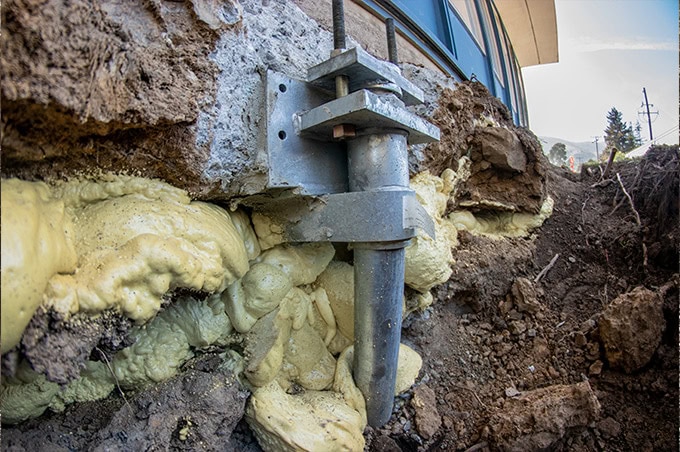
When a foundation shows cracks, leaks, or uneven settling, the fix is rarely just a sealant or patch. The ground itself—its water, load paths, frost action, and backfill—is part of the problem and the solution. That’s why an experienced Anchorage excavation contractor is central to foundation repair. From safety-first digging and shoring to drainage upgrades and correct backfill, excavation is the framework that lets structural and waterproofing solutions work—and last.
If you’re weighing options, start with a consultation from a trusted Anchorage excavation contractor who knows local soils, utility practices, and freeze-thaw realities.
Why Excavation Drives Foundation Repair Success
Foundations fail for reasons that live in the soil: excess water, frost heave, poor compaction, soft pockets, or backfill that allows fines to migrate. Excavation reveals conditions you can’t diagnose from the surface. It also makes room for the right fix—whether that’s a footing drain, waterproofing, targeted underpinning, or regrading to push water away from the wall.
In Anchorage, long winters, spring thaw, and silty layers mean water can perch above dense horizons and press against your foundation. Correct excavation reshapes those pressures so your repair isn’t fighting the ground—it’s working with it.
Fast Diagnostic Checklist (What a Pro Looks For)
A seasoned Anchorage excavation contractor doesn’t start with a machine; they start with clues:
- Crack patterns: horizontal bowing hints at lateral earth pressure; diagonal cracks near corners suggest settlement.
- Moisture mapping: Damp lines at specific heights can indicate perched water or seasonal seepage.
- Downspout discharge: roof leaders dumping at the base of walls are a top culprit.
- Grade and hardscape: patios or walks that pitch toward the house act like gutters.
- Soil type and layering: fines and compacted layers limit infiltration, forcing water to flow laterally into the wall.
- Neighbors and slopes: uphill drainage and snow storage change how water enters your lot.
These observations guide the plan so you fix causes—not symptoms.
Safety & Setup: The Parts You Don’t See (But Should Care About)
Foundation repairs put people and property next to deep trenches and critical utilities. A qualified Anchorage excavation contractor will:
- Pull utility locates and verify depths before a bucket ever hits the ground.
- Plan access paths that protect landscaping and prevent ruts that later collect water.
- Select shoring or benching appropriate to depth and soil—safety is non-negotiable.
- Stage materials (rock, fabric, pipe, insulation) onto stable, drained pads to prevent contamination of the system.
- Manage spoils responsibly, keeping native fines out of clean drain rock.
Good setup is the quiet reason projects finish on time and systems stay clean.
Fixing Water First: Drainage That Protects the Repair
Most foundation problems worsen because water is pressing on the wall or soaking the base soils. Your contractor’s first task is to reduce water load:
- Downspout reroutes with solid pipe extensions carry roof water 10–15 feet away.
- Site grading reestablishes a 2–5% slope for the first 10 feet from the wall.
- Swales and surface contours steer sheet flow toward a safe outlet.
- Daylighting is preferred where the lot allows; otherwise, a sump and pump with a check valve and insulated discharge line keeps water moving year-round.
Each move lowers the hydrostatic pressure, so other repairs can be done more easily.
Footing Drains & Waterproofing: The Core Foundation Package
When a wall is routinely damp or you see seasonal seepage, perimeter drainage and wall protection are the workhorse repairs. A durable assembly typically includes:
- Excavation to the footing with safe shoring.
- Wall cleaning to check for cracks and spalls.
- Waterproofing membrane plus protection board, so backfill doesn’t damage the coating.
- Perforated pipe (quality SDR or heavy-duty corrugated) placed at the footing with a consistent slope to an outlet or basin.
- Washed angular drain rock from pipe to near grade for fast, clear flow.
- Non-woven geotextile separating drain rock from fines, allowing water in but keeping silt out.
- Cleanouts at strategic points for future flushing.
The difference between “temporary relief” and a long-term fix is attention to fabric type, rock cleanliness, pipe slope, and service access.
Dealing with Freeze–Thaw and Anchorage Soils
Anchorage’s climate adds design constraints a lower-48 plan might miss:
- Shallow utilities and frost may require discharge lines to be insulated or buried deeper.
- Ice lenses can form where water sits; the system must move water away before it freezes.
- Bedding matters: uniform support under the pipe prevents point loads that crush or ovalize soft pipe.
- Outlet protection with rock armor keeps thaw flow from gouging new channels.
A local Anchorage excavation contractor understands these winter realities and builds details that survive them.
Structural Coordination: When Underpinning or Bracing Is Needed
Excavation alone doesn’t straighten a bowed wall or lift a settled corner—but it makes those structural fixes possible and safe:
- Access trenches allow engineers or specialty crews to install brackets or piers at design locations.
- Load-relief excavation along the wall reduces lateral pressure during stabilization.
- Sequencing ensures that only controlled sections are open at any given time, maintaining the structure’s support.
- Backfill strategy locks in gains: clean rock and correct compaction prevent reloading the wall with wet fines.
Your excavation team should coordinate tightly with structural guidance so every move supports the engineered plan.
Backfill That Won’t Undo the Repair
Poor backfill is the silent killer of good waterproofing. The right approach:
- Clean, angular rock along the wall to promote drainage and prevent fines intrusion.
- Geotextile separation between rock and native soils.
- Layered compaction of native backfill away from the rock zone to limit settlement.
- Cap layer (topsoil or decorative rock) sloped away to finish the grade cleanly.
This blends performance with curb appeal—no sunken trenches or ponding against the wall.
Driveways, Walks, and Entries: The “Small” Details That Matter
Hardscape often funnels water to the foundation. During repairs, your contractor can:
- Re-grade the apron at the garage to shed water.
- Install a trench drain or underdrain where hardscape meets siding.
- Rebuild soft base zones to prevent slabs from cracking and tilting toward the house.
- Add edge restraint to prevent pavers from migrating and to keep open joints from allowing water.
These tactical upgrades are inexpensive compared to redoing a foundation fix that got undermined by a bad slope.
Retaining Walls Near Foundations
If a retaining wall sits close to the house, it can act like a dam. The cure usually includes:
- Footing-level drain behind the wall, sloped to daylight.
- Drain rock and fabric to keep fines out of the wall’s drainage zone.
- Weep holes/outlets at intervals.
- Surface grading that sends water away from both the wall and the house.
Control water on both structures so neither loads the other.
Anchorage-Specific Planning and Scheduling
- Seasonality: Late spring through early fall offers softer ground and easier compaction. Winter work is viable with the right methods, but requires more care with frozen layers and insulation details.
- Access and staging: Tight Anchorage lots and snow storage zones require smart machine selection and traffic plans.
- Permit coordination: Expect lead time for locates and approvals; a proactive Anchorage excavation contractor builds this into the schedule.
Key Benefits of Involving an Excavation Contractor Early
| Benefit | What It Means for Your Home |
| Safer excavation | Trench safety, shoring, and utility protection reduce risk |
| Cleaner drainage systems | Correct fabric, rock, and slopes resist clogging |
| Stronger structural outcomes | Sequenced digging supports underpinning and bracing |
| Longer life for repairs | Backfill and grading protect membranes and drains |
| Better winter performance | Details built for freeze-thaw keep water moving |
Cost Drivers (Why Two Similar Homes Can Price Differently)
- Depth and length of excavation to reach footings.
- Soil composition and the presence of rocks or hardpan.
- Access limits that require compact equipment or handwork.
- Disposal needs for wet or unsuitable spoils.
- Hardscape restoration and landscaping after the repair.
- Discharge options: daylight is simpler; pumps add parts and labor.
A clear proposal will separate must-haves (safety, drainage, waterproofing) from optional enhancements (hardscape upgrades), so you see where each dollar goes.
Maintenance to Keep Your Fix Working
Foundation repairs aren’t set-and-forget. A short seasonal checklist will keep systems sharp:
- Clean gutters and check downspouts for leaks each fall.
- Flush cleanouts on footing drains annually or after major work on the lot.
- Inspect outlets for ice or debris after hard freezes and spring melt.
- Watch the grade near the wall; top up soil or rock where it settles.
- Photograph storm events once or twice a year to confirm water is flowing where intended.
These habits cost little and prevent big surprises.
Micro Case Notes (Common Anchorage Scenarios)
- Wet basement corner after storms: Rerouted two downspouts with solid pipe 15 feet to grade, added a short footing drain segment to daylight, restored slope along 12 feet of wall. Result: dry corner through spring melt.
- Bowing garden wall near entry: Excavated relief with shoring, installed behind-wall drain and rock, added outlet, regraded the top course to shed water back toward the yard. Result: pressure drop and no new movement after thaw.
- Icy garage threshold: Re-graded apron, added trench drain, tied roof leaders into solid line past the driveway. Result: ice reduced, water no longer runs toward the foundation.
- Persistent crawlspace damp: Waterproofed wall, new footing drain to sump with insulated discharge, fabric-separated rock backfill. Result: humidity stabilized and musty odor gone.
Each solution is simple on paper, but the field craft—excavation depth, fabric choice, slope checks—makes it durable.
How the Process Usually Flows
- Site walk and elevations to understand water sources and settlement patterns.
- Plan and price the sequence of grading, drainage, and structural steps.
- Utility locates and safety setup with shoring plan and access routes.
- Excavation to design depth, protecting adjacent structures and soils.
- Install drains, waterproofing, cleanouts, and discharge path.
- Backfill and compaction with the correct materials in the right zones.
- Hardscape/landscape restoration and final grading.
- Proof and handoff with maintenance notes and cleanout locations marked.
This rhythm keeps the project predictable and focused on long-term performance.
Choosing Your Anchorage Partner
Look for an Anchorage excavation contractor who:
- Explains why each component is in the plan.
- List materials (fabric type, pipe rating, rock spec) and outlet strategy.
- Includes cleanouts and service access in the design.
- Addresses winter operation: insulation, depth, and outlet protection.
- Provides a clear restoration plan for surfaces and yards.
If a plan skips these, you may be buying twice.
The Bottom Line
Foundation repair succeeds when water is controlled, loads are relieved, and the ground supports—not sabotages—your structure. That’s the role of an expert Anchorage excavation contractor: to create the conditions where waterproofing, drains, and structural fixes can shine for the long haul. If you’re ready to map a solution, start a conversation with a team that understands Anchorage conditions inside and out, like Excavate Alaska.
FAQs
1) Do I need a full perimeter drain or just spot fixes?
Not always full perimeter. If moisture is localized, a targeted segment with cleanouts and proper discharge can be enough—paired with grading and downspout reroutes.
2) Can work be done in winter?
Yes, with the right methods. Your contractor may use insulation, deeper cover, and careful compaction to keep systems serviceable in freezing weather.
3) What’s the difference between waterproofing and damp-proofing?
Waterproofing resists liquid water under pressure; dampproofing only controls vapor. For walls facing real hydrostatic pressure, waterproofing is the safer choice.
4) How far should downspouts discharge from the wall?
Plan for 10–15 feet with a solid pipe and a reliable slope. If lot geometry fights you, a sump and insulated discharge may be smarter.
5) Will I need to replace landscaping and hardscape?
Often, yes—at least in work zones. A good plan restores surfaces with improved slopes so the finish looks clean and supports the drainage you just invested in.

As the owner and founder of Excavate Alaska, I’m passionate about delivering reliable, high-quality excavation services to the Anchorage community and beyond. With over a decade of hands-on experience in the industry, I’ve built Excavate Alaska on the values of integrity, professionalism, and customer-first service. My team and I specialize in site preparation, land clearing, grading, trench digging, and full-scale excavation for both residential and commercial projects.