
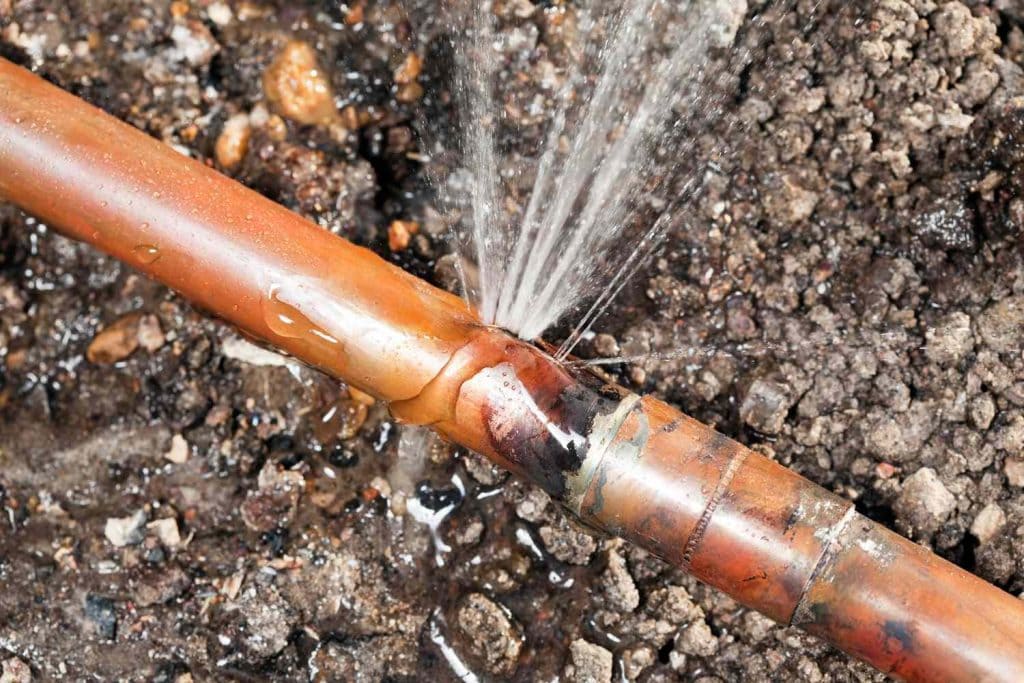
Water line problems rarely stay small for long.
A pressure drop, wet ground, discolored water, or a sudden jump in your bill can all point to trouble below the surface. For many property owners, the hard part is not noticing that something is wrong. The hard part is figuring out whether a focused repair will solve the issue or whether the entire line has reached the point where replacement makes more sense.
This guide breaks down the signs, the decision points, and the practical differences between repair and replacement so you can make a smarter call for your property.
Why the Repair-or-Replacement Decision Matters
When a water line starts failing, it is easy to focus only on the immediate problem.
You may want the leak stopped, the pressure restored, and the yard left alone as much as possible. That makes sense. But the right fix depends on more than the symptom you see today.
A small, isolated issue can often be handled with a targeted repair. A badly worn, repeatedly failing, or severely damaged line may continue to create new problems even after a section is patched. In that situation, replacement can be the better long-term move because it addresses the line’s broader condition rather than just one weak point.
First, Watch for the Warning Signs
Before you can decide between repair and replacement, you need to know what your property is telling you.
Some warning signs show up inside the home or building. Others show up outside or around the service area.
Common signs include:
- Low water pressure
- Wet or soggy areas in the yard
- Water is pooling where it should not be
- Unexplained increases in the water bill
- Water stains on interior surfaces
- Ongoing leak symptoms that keep returning
- Changes in water clarity or flow
- Trouble that gets worse during colder periods
One sign alone does not always indicate that a full replacement is needed.
What matters is the pattern, the age of the line, and the extent of the damage. If the trouble seems to be on the drain side instead, see the signs of a broken sewer line in Anchorage.
When Water Line Repair Is Often the Better Option
In many cases, repair is still the right choice.
A repair usually makes sense when the damage is limited, the rest of the line is in good shape, and the issue can be traced to a single area. If the pipe has a single crack, one leaking joint, or a small damaged section caused by a specific event, repair can restore function without replacing the whole line.
Repair is often the better fit when:
- The problem is isolated to one section
- The rest of the line is still structurally sound
- The line has not needed repeated service
- The damage was caught early
- Inspection shows no widespread corrosion or major collapse
- The property owner wants the least invasive solution that still solves the issue
That kind of approach is especially useful when the main goal is to fix the problem without taking on a larger project than necessary.
Signs That Point More Toward Full Water Line Replacement
There comes a point when repairing one more section is no longer the smart move.
If the line has problems in several areas, keeps leaking, or shows broad wear rather than a single failure point, replacement is often the better option. It may cost more upfront, but it can reduce repeat service calls, recurring damage, and the stress of never knowing when the next problem will show up.
Replacement may be the better path when:
- The line is failing in multiple sections
- Repairs have been done before, and new leaks keep appearing
- The pipe material is worn out or heavily corroded
- The line has major structural damage
- There is a collapse, severe break, or long damaged stretch
- Water service is being affected again and again
- The system is nearing the end of its usable life
A replacement is not just about fixing today’s issue.
It is often about preventing the next five issues.
The Age of the Water Line Can Change the Answer
Age alone does not automatically mean replacement.
Still, it matters a lot.
An older line that has already experienced wear, freezing stress, or prior repairs is more likely to have weak points in multiple locations. In that case, a single repair can solve one leak while leaving other worn areas ready to fail later.
A newer line with one damaged section is a very different story. If the rest of it is in good condition, repair may be all that is needed.
This is one reason a proper inspection matters so much. You do not want to make a big replacement decision based only on one visible symptom. You want to know whether the issue is local or system-wide.
Repeated Leaks Usually Mean It Is Time to Think Bigger
A first-time leak and a repeat leak are not the same thing.
If your property has already had water line work done and another problem shows up soon after, that is an important signal. It does not always mean the earlier repair was wrong. It may mean the line itself has reached a stage where multiple parts are weak.
This is where property owners can get stuck in a cycle.
A small repair feels less expensive in the moment, so it gets approved. Then another leak appears. Then another. Over time, the total cost, disruption, and damage risk can grow beyond what a replacement would have involved from the start.
If problems keep returning, it is worth stepping back and asking a bigger question: are you fixing one section, or are you trying to hold together a line that is wearing out overall?
That is often the turning point between another repair and a full replacement strategy.
Low Water Pressure Can Mean More Than One Thing
Low water pressure is one of the most common signs property owners notice first.
But low pressure by itself does not tell you whether you need repair or replacement. It only tells you that something is interfering with water flow.
A localized leak, a damaged connection, sediment buildup, or a more serious line issue can all contribute to poor pressure. The answer depends on the source of the restriction or loss.
If a single damaged area causes the problem, repair may restore normal pressure.
If the line has more severe internal wear or repeated weak spots, replacement may be the better long-term option.
That is why pressure loss should not be ignored or treated as a minor nuisance.
It can be the first clue that the line needs attention.
Yard Conditions Can Reveal What Is Happening Underground
What you see outside can be just as important as what you see inside.
Soft ground, persistent damp spots, pooling water, or areas of the yard that stay wet for no clear reason can all point to a leaking underground water line. In colder climates, the ground may not always make the problem obvious right away, but the signs tend to show up as the issue grows.
If one small area is affected and the problem is narrow in scope, repair may be enough.
If the damage spans a longer section of the line or if the surrounding ground indicates ongoing leakage over time, replacement becomes more likely.
The key is not to assume that wet ground will resolve on its own.
Underground leaks tend to get worse, not better.
Anchorage Conditions Can Make Water Line Problems Harder on a Property
Anchorage properties are subject to conditions that can be rough on underground utilities.
The local factor matters because the decision between repair and replacement is not made in a vacuum.
A line that might hold up longer in a milder setting may not perform the same when subjected to repeated freeze-related stress. That does not mean every Anchorage water line problem calls for replacement. It does mean that the line’s long-term reliability should be part of the decision.
For property owners, the practical question is this: after the work is done, how confident are you that the line will keep performing through future seasons?
If the answer is not very confident, replacement may deserve stronger consideration.
Inspection Results Should Drive the Final Decision
The best decisions are based on evidence, not guesses.
That means identifying the issue, assessing how much of the line is affected, and evaluating the overall condition of the system. A visible symptom above ground rarely tells the full story below ground.
A solid inspection helps answer questions like:
- Is the problem limited to one area?
- Are there several weak points?
- Has the line shifted, cracked, or deteriorated more broadly?
- Is the damage repairable without setting up future failures?
- Would replacement reduce repeat risk in a meaningful way?
Without that step, property owners may end up choosing based solely on short-term cost rather than the line’s actual condition.
Repair May Cost Less Now, but Replacement May Cost Less Over Time
A repair is often less expensive at the start.
That is one reason many property owners hope repair will be enough. In the right situation, that is a smart choice.
But the lower upfront cost does not always translate into better value.
If the line is old, repeatedly failing, or damaged in multiple places, repair can become a short-lived fix. Then the property owner ends up paying again for another visit, another excavation, another disruption, and possibly more property damage in the meantime.
Replacement is often the better value when it reduces repeat work and lowers the chance of another failure in the near future.
That is why cost should be looked at in two ways:
What will this option cost now?
And what is it likely to cost if the line keeps failing?
Less Invasive Methods Can Affect the Decision Too
Some property owners worry that replacement automatically means extreme disruption.
That is not always the case.
The decision between repair and replacement is not just about the pipe itself. It is also about how the work can be completed on the property.
If a replacement can be done with less surface disruption than expected, it may become a more practical option than many owners initially assume.
The right method depends on the condition of the line, access, layout, and the type of damage involved. But it is worth noting that replacement does not always mean the worst-case scenario for a construction project.
When Waiting Makes the Problem More Expensive
One of the biggest mistakes property owners make is delaying action because they hope the issue is minor.
That delay can turn a repair into a replacement situation.
A small leak can widen. Wet soil can create more trouble around the line. Ongoing water loss can raise utility costs. Damage that was once limited to one section can grow into a larger failure.
That does not mean every early issue is severe.
It means early attention gives you more options.
And in many cases, more options lead to lower total cost and less disruption.
A Practical Way to Think About the Decision
If you are trying to decide between Anchorage water line repair and full replacement, this simple framework can help:
Choose repair when the problem is limited, the rest of the line is in good shape, and inspection shows that one targeted fix has a strong chance of lasting.
Lean toward replacement when the line keeps failing, the damage is widespread, the pipe is aging badly, or the system’s condition suggests more trouble is on the way.
The goal is not to choose the smaller job.
The goal is to choose the option that actually solves the problem with the right balance of cost, durability, and property impact.
Why Property Owners in Anchorage Turn to Excavate Alaska
Property owners want a team that can identify whether the issue calls for a focused repair, a section replacement, or a full line replacement based on what is actually happening underground.
That kind of decision is too important to make on guesswork alone.
A water line issue can feel urgent, confusing, and expensive all at once.
But the choice between repair and replacement becomes clearer when you look at the condition of the line as a whole instead of focusing only on the first symptom you noticed.
If the damage is isolated, repair may be the right answer.
If the line is worn, repeatedly failing, or damaged in multiple places, replacement may save you more trouble in the long run.
For property owners dealing with Anchorage Water Line Repair concerns, the smartest next step is not to assume. It is to have the line properly assessed, understand the full scope of the issue, and choose the option that gives your property the best long-term result.
FAQs
1. How do I know if my Anchorage water line problem needs repair instead of replacement?
Repair is often the better option when the issue is limited to one area and the rest of the line is still in good condition. If inspection shows only a small crack, a single leak, or a single damaged section, repair may solve the problem without replacing the entire line.
2. What signs usually point to full water line replacement?
Full replacement is more likely when leaks keep returning, the line has damage in several places, or the pipe is badly worn overall. A collapsed section, repeated pressure loss, or repeated service calls can all point toward replacement being the better long-term choice.
3. Can low water pressure mean I need a new water line?
Sometimes, but not always. Low water pressure can result from a single damaged section, a leak, a buildup, or a broader problem within the line. The cause needs to be identified before deciding whether repair or replacement makes more sense.
4. Is water line replacement always more disruptive than repair?
Not in every case. The level of disruption depends on the condition of the line, the property layout, and the method used. Some replacement approaches can reduce surface disturbance compared to what many property owners expect.
5. Why should Anchorage property owners act quickly when they notice water line trouble?
Waiting can allow a smaller issue to spread, increase property damage, and raise the total cost of the work. Early action can keep more repair options open and may help prevent a larger failure later

As the owner and founder of Excavate Alaska, I’m passionate about delivering reliable, high-quality excavation services to the Anchorage community and beyond. With over a decade of hands-on experience in the industry, I’ve built Excavate Alaska on the values of integrity, professionalism, and customer-first service. My team and I specialize in site preparation, land clearing, grading, trench digging, and full-scale excavation for both residential and commercial projects.