
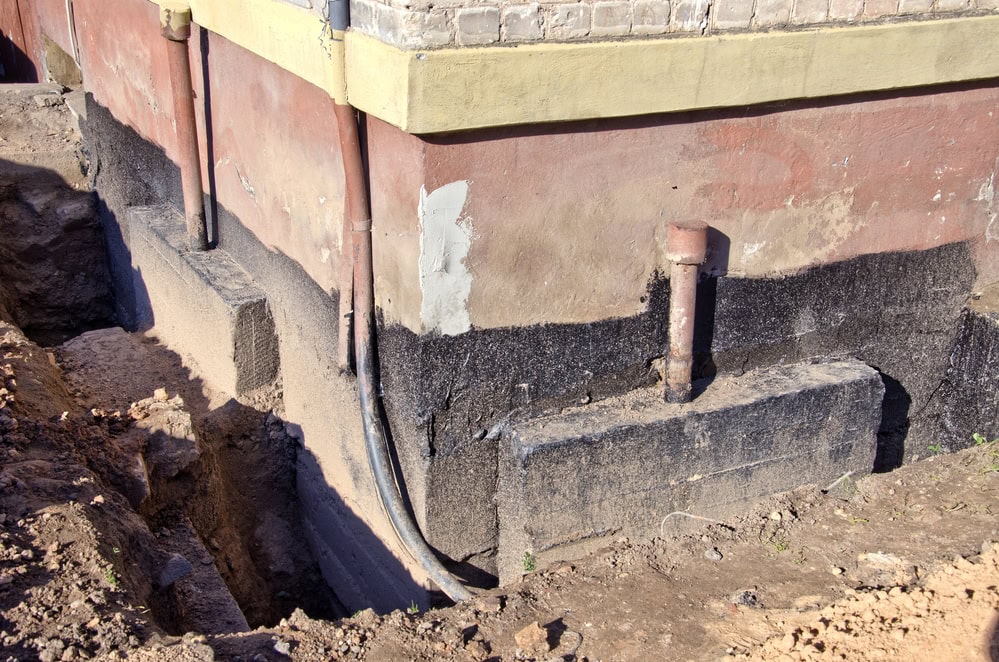
In Anchorage, foundations often grapple with sinking or shifting. This can be due to the presence of tricky clay soils that expand and contract, the stubbornness of permafrost, or even just excessive rainfall. Knowing whether piering or slab jacking is the better fix can save your property’s structure, minimize disruption, and ensure it stands strong for years to come. We’re going to dive into what makes foundations settle, why fixing it fast is key, what piering and slab jacking actually do, how they stack up on cost, durability, and installation, the vital role of excavation, and how to pick the best method for your home or business here in Anchorage. We’ll also show you how Excavate Alaska’s top-notch site prep and drainage work can be the perfect partner for your repair project.
What’s Making Your Foundation Sink and Why You Can’t Ignore It
Foundation settlement occurs when the ground beneath your home cannot support its weight evenly, leading to cracks, uneven settlement, and potentially serious structural issues. Tackling settlement early means getting your foundation back on level ground, stopping further damage, and maintaining your property’s value.
Spotting the Warning Signs of Foundation Trouble
- Cracks appearing in walls, floors, or brickwork that seem to spread or run like stairs.
- Floors that feel uneven – try rolling a marble to see if it moves on its own.
- Doors and windows that stick or won’t close properly because the frames have shifted.
- Gaps appearing where walls meet ceilings, or a separation at the base of your chimney.
Catching these signs early can prevent small problems from escalating into expensive nightmares and guide you toward the right repair solution.
How Anchorage’s Ground and Weather Mess with Foundations
Anchorage’s landscape is a mix of sticky glacial clays and ground that freezes and thaws with the seasons. This means the soil is constantly swelling and shrinking. This cycle causes:
- Uneven lifting in soils that are prone to frost.
- Quick changes in soil moisture occur when spring thaws hit or autumn rains arrive.
- Hidden pockets of permafrost that destabilize the ground layers supporting your foundation.
Studies show that as the Arctic warms up fast, permafrost is thawing significantly, causing major damage to infrastructure across Alaska. This means we need to rethink how we build and develop in permafrost areas to protect communities and industries. (pmc.ncbi.nlm.nih.gov)
Additionally, Anchorage’s seismic activity requires foundations to be deeply anchored to reach solid ground. Understanding these unique challenges underscores the need for expert excavation and customized underpinning or lifting solutions.
Why Getting a Pro’s Opinion on Your Foundation is a Must
A professional assessment involves inspecting the structure, testing the soil, and using laser levels to determine the depth of settlement, the distribution of loads, and the soil’s load-bearing capacity. This diagnostic process:
- Pinpoints the real cause – whether it’s soil settling, erosion, or earthquake shifts.
- Sets exact targets for leveling.
- Recommends the best repair method based on the severity of the damage and the soil conditions.
Getting it right from the start prevents overdoing it or underestimating the work, and sets the stage for effective excavation and repair work.
What is Foundation Piering and How Does It Anchor Your Structure Deep Down?
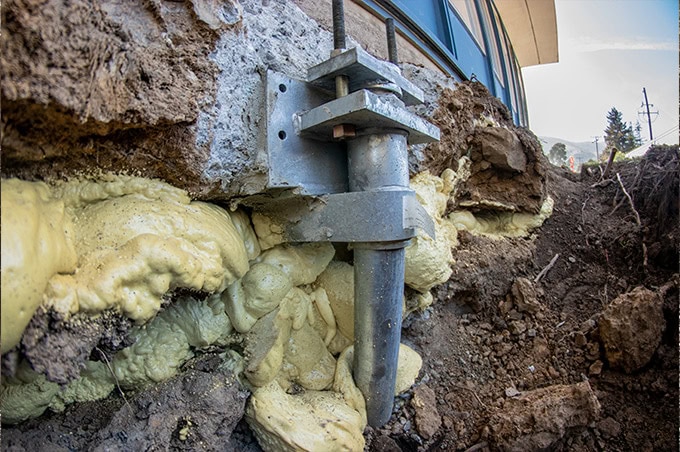
Foundation piering, also known as underpinning, involves installing piers deep into solid ground or bedrock. These piers transfer the building’s weight away from the weaker soil layers above, restoring level support and stopping further sinking, especially for heavy or badly damaged structures.
What Kinds of Piers Are Used for Foundation Fixes?
Professional piercing systems generally fall into three main types:
- Steel Push Piers: These are hydraulically driven deep into stable soil, then locked into place.
- Helical Piers: Like giant screws, these steel shafts with helical plates rotate into the ground, making them ideal for moderate loads and reduced vibration.
- Concrete Piers: Poured into drilled holes that reach solid ground, these are great for specific load requirements.
Each pier type is chosen based on the weight it needs to support, the soil it’s being installed in, and the installation site to ensure reliable underpinning.
How Does Excavation Help Get Piers Installed Correctly?
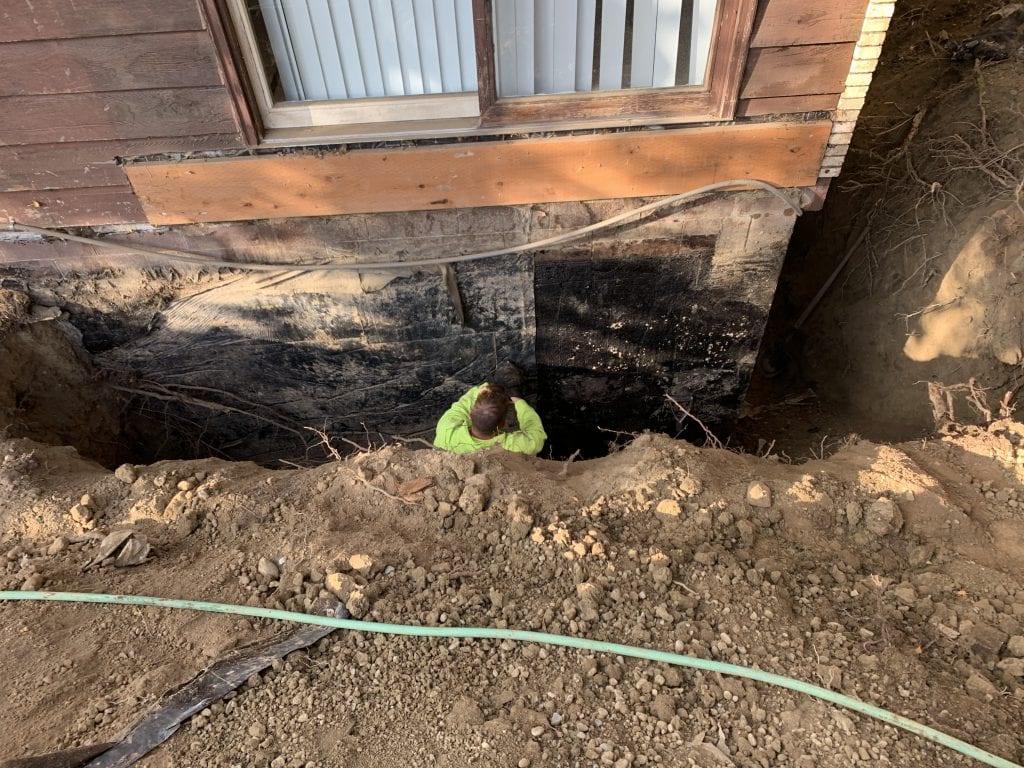
Proper excavation clears the area around your foundation, removes loose dirt, and creates a safe and stable space for precise pier placement. The key excavation steps include:
- Clearing away plants and debris for safe access.
- Digging trenches around the foundation to expose the footing and soil layers.
- Securing the trench walls with shoring or bracing to keep workers safe.
When experienced excavators thoroughly prepare the site, piers can be driven into undisturbed soil, maximizing their ability to transfer load and ensuring they perform well in the long term.
What Are the Upsides of Using Piering for Foundation Repair?
Piering offers several big advantages for deep structural stabilization:
- It provides permanent support by anchoring to stable ground or bedrock, ensuring the structure remains stable throughout its lifespan.
- It’s a great solution for severe settlement, heavy commercial buildings, and areas prone to earthquakes.
- Once installed and locked, it requires very little future adjustment.
What Are the Downsides of Piercing?
While piercing is highly effective, there are a few things to consider:
- The initial cost is typically higher than methods that only lift the surface.
- It requires more extensive excavation and access for heavy equipment.
- The installation process takes longer, involving trenching, driving or drilling, and allowing materials to cure.
When is Piering the Go-To Solution for Foundation Problems?
Piering is the best choice when property owners are dealing with:
- Deep foundation movement caused by permafrost or soils that expand and contract.
- Heavy loads from buildings with multiple stories, commercial properties, or industrial facilities.
- A settlement that keeps resurfacing, even after less invasive repairs haven’t been effective.
What is Slab Jacking and How Does It Lift Concrete?
Slab jacking lifts and levels sunken concrete slabs by pumping a supporting material underneath them, filling voids, and raising the surface to its original level. This method restores an even surface for patios, driveways, and slab foundations without needing major excavation.
This guide explains the slabjacking technique, which involves injecting a cementitious grout between the ground and a concrete slab to lift and level it. It covers the history, current methods, pros, cons, and the specific steps involved, including materials, equipment, and the control mechanisms used for lifting. (inspectapedia.com)
What’s the Difference Between Mudjacking and Polyurethane Foam Injection?
| Material | How It Works | Common Uses |
| Cementitious Grout (Mudjacking) | Injecting a mix of sand, cement, and water under high pressure to fill gaps. | Driveways, sidewalks, and slabs that aren’t too thick. |
| Closed-Cell Polyurethane Foam | Injecting an expanding foam that fills voids, lifts the slab, and seals underneath. | Garage floors, patios, and interior slabs where water resistance is important. |
Each material has its own advantages: grout offers bulk support at a lower material cost, while foam cures faster, provides excellent water resistance, and adds very little weight.
How is Slab Jacking Done?
Slab jacking follows these steps:
- Drilling small holes through the concrete at key spots.
- Injecting grout or foam under controlled pressure to fill any empty spaces.
- Using precise leveling tools to monitor the slab’s lift.
- Patching the injection holes and finishing the surface.
This process is usually quick, often finished in a few hours, with minimal disturbance to your landscaping.
What Are the Benefits of Slab Jacking for Foundation Repairs?
Slab jacking offers homeowners and contractors:
- A cost-effective way to lift slabs that have settled slightly or moderately.
- Fast installation – often completed in a single day.
- Minimal disruption to the surface and surrounding landscape.
What Are the Drawbacks of Slab Jacking?
Even though it’s convenient, slab jacking has its limits:
- It may not be a permanent solution; the foam or grout could settle again if the underlying soil remains unstable.
- It’s not effective for deep foundation issues or very heavy structural loads.
- It doesn’t address the root causes, like soil settling or drainage problems.
When is Slab Jacking the Right Call?
Slab jacking is best suited for situations like:
- Minor sinking of slabs under driveways, patios, and walkways.
- When homeowners are looking for a budget-friendly way to level concrete.
- Scenarios where extensive excavation just isn’t practical.
Comparing Piering and Slab Jacking: How to Pick the Best Foundation Fix for You
Deciding between piering and slab jacking comes down to balancing cost, the expected lifespan of the fix, soil conditions, and the severity of the damage.
What’s the Price Difference Between Piering and Slab Jacking?
Here’s a look at the costs:
| Repair Method | Average Cost Per Pier/Portion | Typical Project Range |
| Piering | $1,200–$2,500 per pier | $10,000–$50,000 |
| Mudjacking | $3–$7 per square foot | $1,000–$5,000 |
| Foam Injection | $4–$8 per square foot | $1,500–$6,000 |
How Do Longevity and Durability Compare?
Piering offers lasting stability by anchoring deeply into solid ground, whereas slab jacking may require re-leveling if the soil underneath shifts again. Deep underpinning stops settlement for good, whereas grout or foam lifts are essentially surface-level fixes.
How Does Soil Type Affect Your Choice?
In areas with expansive clays, permafrost, or seismic activity, piering anchors are driven into stable depths to resist seasonal ground movements. In soils that are well-drained and compact with minimal shrinking or swelling, slab jacking can effectively level the surface without deep digging.
What Are the Differences in Installation Disruption and Time?
- Piering involves digging around the foundation using heavy machinery and typically takes several days to complete.
- Slab Jacking: Requires drilling small holes, minimal digging, and is often finished within hours.
Slab jacking causes less disruption to your yard and takes less time, while piering needs thorough site preparation to handle significant loads.
What Are the Best Scenarios for Piering vs. Slab Jacking?
Piering is ideal for basements, crawl spaces, large structures, and deep settlement issues. Slab jacking is suitable for exterior concrete slabs, patios, and minor foundation heaving when a quick, affordable leveling job is needed.
Can You Combine Piering and Slab Jacking for Complete Repairs?
Absolutely. You can use piering for the main structural areas and slab jacking for nearby concrete surfaces, such as driveways or patios. Combining these methods provides a comprehensive repair, stabilizing deep foundation loads while ensuring all surfaces are level across your property.
What’s the Role of Excavation in Getting Foundation Repairs Done Right?
Proper excavation lays the groundwork for any foundation repair, whether it’s deep or shallow, ensuring safe access, accurate installation, and long-term performance.
Why is Expert Site Preparation Crucial for Piering Projects?
Site preparation by skilled excavators includes:
- Clearing away obstacles and utilities to expose the foundation’s perimeter.
- Removing unstable or waterlogged soil to reach solid ground.
- Building trenches and shoring to allow safe operation of machinery and protect workers.
How Do Proper Drainage and Grading Prevent Future Foundation Problems?
Effective drainage and grading protect foundations by:
- Directing surface water away from the building’s footings to prevent soil saturation.
- Reducing water pressure against retaining walls and basement floors.
- Minimizing the effects of freezing and thawing under slabs by managing water runoff.
Alaska’s expertise in grading and installing French drains helps keep the soil dry and stable, protecting your repair investment.
How Does Anchorage’s Unique Ground Affect Excavation and Repair Plans?
Anchorage’s permafrost, seismic activity, and shifting clay layers require:
- Scheduling work around the seasons to avoid frost issues.
- Adjusting excavation depths to bypass frost lines and weak soil layers.
- Working with geotechnical engineers to design foundation anchors that can withstand earthquakes.
Adapting repair strategies to the local terrain ensures that solutions remain effective through Anchorage’s challenging weather and ground conditions.
How Does Excavate Alaska Help Foundation Repair Specialists and Contractors?
Excavate Alaska partners with structural engineers and foundation repair companies by providing:
- Precise excavation to expose footings and bedrock.
- Reliable trenching, dewatering, and soil stabilization services.
- On-time scheduling and adherence to Anchorage building codes.
How Can Property Owners Make a Smart Choice for Foundation Repair?
Evaluating repair options involves weighing your technical needs, budget, and long-term objectives.
What Factors Should You Consider When Choosing Between Piering and Slab Jacking?
Key points to think about include:
- How Bad is the Damage?: Deep or structural issues point to piering; minor slab sinking is suited for jacking.
- What’s the Soil Like?: Expansive or frost-prone soils require deep piers; stable soils can be worked with surface lifts.
- What’s Your Budget?: Slab jacking is cheaper upfront; piering offers permanent support.
- How Much Time Do You Have?: Slab jacking is fast; piering takes multiple days.
- What Are Your Long-Term Goals?: Permanent underpinning or a temporary leveling solution?
When Should You Bring in Structural Engineers and Excavation Experts?
Get in touch with specialists when:
- You see structural cracks or wall tilting that’s more than a quarter-inch wide.
- Soil reports indicate the presence of permafrost or weak ground layers.
- The project involves heavy loads, multiple stories, or requires compliance with city regulations.
Consulting professionals early on ensures accurate assessments and the best repair designs.
What Are the Typical Costs and Financing Options for Foundation Repairs in Anchorage?
Foundation repair projects vary in scope:
- Small Slab Jacking Jobs: $1,000–$6,000, often financed with home equity lines or specific loans.
- Medium Piering Projects: $10,000–$25,000, potentially with contractor financing or equipment leases.
- Large Underpinning Jobs: $25,000+, sometimes covered by construction loans or grants for historic buildings.
Flexible financing options can help manage costs while protecting your property.
How Can Regular Maintenance Prevent Future Foundation Issues?
Consistent upkeep protects your foundation by:
- Checking the grading annually to fix low spots and erosion.
- Cleaning out drainage systems periodically to ensure they work properly.
- Monitoring indoor humidity and sump pump function in basements.
Taking proactive care reduces the likelihood of a settlement occurring again and ensures your repairs remain effective.
Where Can You Find Top-Notch Foundation Excavation and Repair Services in Anchorage?
Local expertise ensures that your foundation stabilization and site preparation projects meet all requirements, are done with quality, and are completed on time.
How Does Excavate Alaska’s Local Knowledge Ensure Compliance and Quality?
Excavate Alaska has decades of experience working in Anchorage’s unique environment, offering:
- Licensed local crews who know the city’s building codes inside and out.
- Modern excavation equipment is ready for precise trenching and dewatering.
- Strict safety procedures are in place to protect workers and your property.
Our focus on local conditions ensures that every repair meets city regulations and withstands the challenges posed by the weather and ground conditions.
What Foundation Excavation Services Does Excavate Alaska Provide for Repair Projects?
Our main excavation services include:
- Site Preparation: Clearing, shoring, and trenching to expose foundations.
- Foundation Excavation: Carefully removing soil to reach stable ground for pier installation.
- Drainage Solutions: French drains, swales, and grading to protect repaired foundations.
- Backfill and Compaction: Replacing soil with engineered fill to support new structural elements.
These services create the essential foundation for successful underpinning and concrete lifting.
How Can You Get in Touch with Excavate Alaska for a Site Assessment or Consultation?
To schedule a thorough site assessment or discuss your excavation needs, please call Excavate Alaska at 907-336-7434 or visit our website to submit a consultation request form. Our team will arrange an on-site visit to review the soil conditions and suggest customized solutions to stabilize and level your foundation.
Anchorage foundations face unique settlement challenges from permafrost, expansive clays, and seismic forces. Piering provides permanent, deep support by transferring loads to stable subsurface layers, while slab jacking offers fast and affordable concrete leveling for minor settlement. Expert excavation, drainage, and grading are the backbone of any repair strategy, exposing footings, removing unstable soils, and directing water away from foundations. By considering the severity of damage, soil type, budget, and long-term goals, property owners can select the method that best balances cost with durability. For reliable site preparation and excavation expertise that sets the stage for effective piering or slab jacking, contact Excavate Alaska today and secure the structural stability your Anchorage property deserves.

As the owner and founder of Excavate Alaska, I’m passionate about delivering reliable, high-quality excavation services to the Anchorage community and beyond. With over a decade of hands-on experience in the industry, I’ve built Excavate Alaska on the values of integrity, professionalism, and customer-first service. My team and I specialize in site preparation, land clearing, grading, trench digging, and full-scale excavation for both residential and commercial projects.