

Foundation problems can sneak up on your home, weakening its structure and leading to substantial repair bills if they are not addressed promptly. In 2025, fixing your house’s foundation can range from a quick $250 for sealing minor cracks to over $30,000 for full structural support, depending on the issue and the method of repair. This guide will break down what foundation repair involves, how to spot the warning signs, what you can expect to pay in Anchorage and across the country, what factors contribute to those costs, common repair methods, and why hiring a local professional like Excavate Alaska means a solid, dependable fix. You’ll learn:
- What foundation repair really is and why it’s a big deal
- The tell-tale signs that your foundation needs attention
- How much repairs cost based on where you are, your foundation type, and how big the job is
- What factors influence pricing in Anchorage’s unique climate and soil
- Proven repair techniques and what they’ll set you back
- How Excavate Alaska uses its excavation know-how to build lasting foundation solutions
What Exactly Is House Foundation Repair and Why Does It Matter?
Foundation repair is all about restoring the strength and stability to your home’s foundation, addressing issues such as settling, cracks, water damage, and soil shifts. This service prevents further damage and protects your property’s value by addressing the root causes before they escalate. A complete foundation repair job involves a thorough inspection, digging around or into the foundation to identify problem areas, installing supports, and addressing any cracks – all crucial steps for ensuring your home’s long-term resilience.

What’s Involved in Fixing a House Foundation?
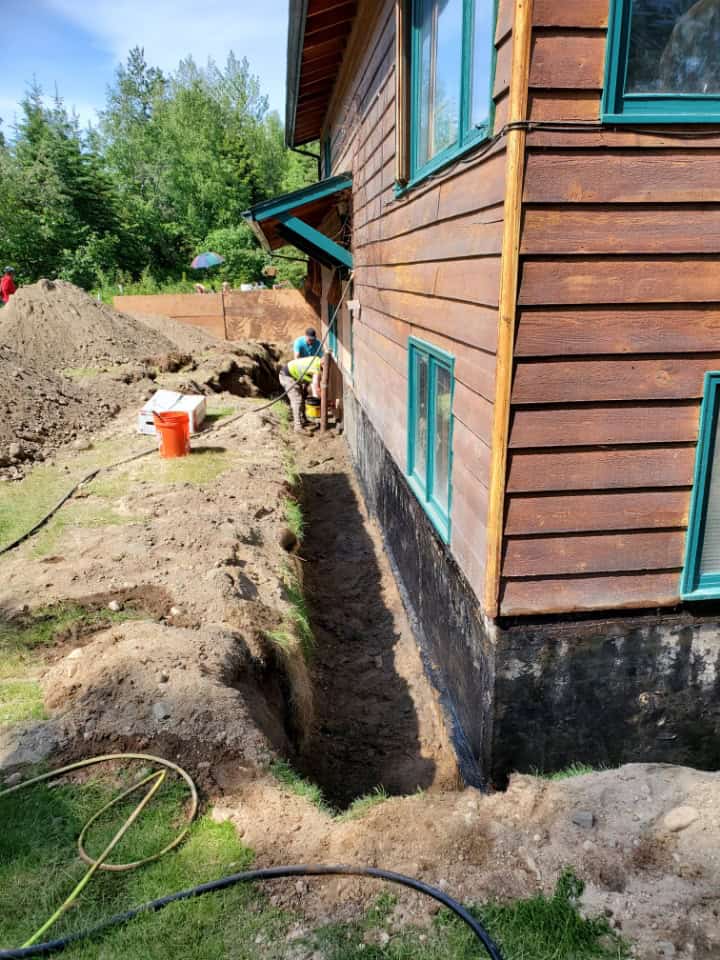
Foundation repair begins with a detailed examination to pinpoint settling patterns, soil conditions, potential water ingress points, and any existing structural cracks. Then, our crew will dig out the soil around the foundation or drill into it to reach the trouble areas. Depending on what we find, the fix might include:
- Putting in steel or helical piers deep below the footings to transfer the home’s weight down to solid ground
- Injecting materials like polyurethane foam or grout under settled slabs to lift them back into place
- Filling foundation cracks with epoxy or hydraulic cement to seal them up and bond the concrete
- Installing drainage systems, either inside or outside, to manage groundwater
Each of these methods targets a specific type of problem, ensuring your foundation remains strong and level for years to come.
Why Fixing Your Foundation Promptly is Key for Homeowners
Addressing foundation damage promptly prevents small cracks from expanding, prevents bowing walls from collapsing, and prevents moisture from causing mold or rot. Catching it early means less money spent on repairs, avoiding the need for extensive underpinning, major digging, or replacing the whole slab. Maintaining a solid foundation also protects your home’s resale value and ensures that everyone living there stays safe.
How Anchorage’s Weather and Ground Conditions Impact Foundations
Anchorage’s freeze-thaw cycles and its glacial till soils create unique challenges for foundations. When the ground freezes and thaws, it can push slabs up unevenly, and the soil itself might settle under the weight of your house. Heavy rainfall and melting snow can build up pressure against basement walls. Knowing these local conditions helps professionals determine the optimal excavation depth, pier placement, and waterproofing strategies to withstand Alaska’s extreme temperatures and ground movement.
Alaska’s infrastructure could face double the damage from permafrost thaw under moderate to high emissions.
Using detailed satellite images and advanced machine learning, researchers projected that damage to Alaskan buildings and roads from thawing permafrost could cost between $37 billion and $51 billion by the middle of the century, depending on the level of emissions. This highlights the significant financial risks associated with permafrost degradation.
This research directly supports our discussion on how Anchorage’s specific climate and soil, particularly permafrost thaw, impact foundation stability and why specialized repair methods are essential.
What Are the Usual Signs of Foundation Trouble?
You can often spot the early signs of foundation issues before they turn into major problems. Recognizing these symptoms means you can seek a professional opinion and avoid exacerbating the situation.
Spotting Foundation Cracks: The Difference Between Minor and Major
Tiny hairline cracks, less than 1/16 inch wide, are usually just cosmetic and can be monitored. Cracks bigger than 1/8 of an inch are a different story; they often resemble stair steps in brickwork or run horizontally in basement walls – clear signs of serious movement that require fixing.
What Does Foundation Settling and Sinking Look Like?
When a foundation settles, you might notice floors that slope, gaps where walls meet ceilings, or doors and windows that stick. A noticeable tilt to the entire house or uneven transitions between rooms can indicate sinking footings that require support.
How Do Bowing Basement Walls Signal Foundation Problems?
Walls that bow inward are typically caused by pressure from the surrounding soil or frost pushing against weakened supports. If a wall is bowing more than 2 inches, it typically requires reinforcement, such as helical anchors or carbon fiber straps, to straighten it out and prevent further movement.
What’s the Deal with Water Getting Into the Foundation?
When water consistently seeps through cracks or the soil around the foundation fails to drain properly, it increases pressure on the walls, erodes soil support, and can damage building materials. Installing good drainage and waterproofing is essential to prevent water-related damage.
What’s the Average Cost for House Foundation Repair in 2025?
Across the country, homeowners typically spend between $2,200 and $8,100 on foundation repairs, with major issues sometimes costing over $30,000.
How Much Does Foundation Repair Cost? [2025 Data]
Foundation repair costs can vary significantly depending on the severity of the problem, the materials used, and the overall condition of your home. While the national average hovers around $5,167, typical repairs can range from $2,224 to $8,126, and extensive structural work may exceed $35,000.
This info directly supports our article’s points about the average cost of house foundation repair and the wide range of expenses for different fixes in 2025 and beyond.
What Are the Typical Costs in Anchorage Versus the Rest of the Country?
Here’s a look at what you can generally expect to invest in foundation repairs in 2025:
| Type of Repair | Cost Range | What It Usually Involves |
| Crack Sealing | $250–$800 | Injecting epoxy or hydraulic cement |
| Helical Pier Installation | $1,000–$3,000 per pier | Installing steel piers down to solid ground |
| Slab Jacking | $600–$1,000 per lift | Injecting polyurethane or grout under slabs |
| Basement Waterproofing | $1,500–$8,000 | Interior or exterior drainage and membranes |
In Anchorage, you’ll likely find costs leaning towards the higher end of these ranges because of the complexities of digging in cold weather and the local permit processes.
How Do Repair Costs Change Based on Foundation Type?
Different foundation designs require different approaches and materials, which affect the total cost:
| Foundation Type | Average Cost Range | Common Repair Method |
| Slab-on-Grade | $2,500–$12,000 | Slab jacking, pier installation |
| Crawl Space | $3,000–$14,000 | Beam adjustment, waterproofing |
| Full Basement | $4,000–$25,000 | Underpinning, piers, drainage |
What’s the Cost Difference Between Small and Big Repairs?
Minor fixes, such as injecting cracks or extending gutters, usually cost less than $1,000. However, major structural work, such as installing multiple piers or completely replacing a foundation, can easily exceed $30,000. Catching problems early keeps your repair budget in check by preventing them from escalating.
How Does DIY Foundation Repair Compare to Hiring a Pro?
DIY kits for hairline cracks can be under $100, but they don’t come with a structural warranty and may conceal larger issues. Professional services start around $250 and include thorough inspections, engineered solutions, and warranties – ensuring safety and long-term results.
What Factors Drive Up the Cost of Foundation Repairs?
Several factors contribute to the final price tag, making every foundation repair project unique.
How Does the Severity of Damage Affect Repair Pricing?
More significant displacement, larger cracks, and multiple points of failure result in increased materials, labor, and time. Structural damage that impacts load-bearing points requires extensive underpinning, not just simple crack sealing.
What’s the Role of Soil Stability and the Terrain?
Unstable soils, deep frost lines, and uneven ground mean more digging and deeper piers. In Anchorage, glacial deposits and frost zones demand deeper foundation support, which increases equipment and labor costs.
How Do Foundation Type and Access Impact Costs?
Working on slab foundations often requires heavy equipment and confined-space operations, while crawl spaces can be easier to access. If your property is difficult to access or has limited access points, the project will take longer and be more logistically complex.
What Are the Effects of Labor, Materials, and Permits on Pricing?
Labor rates in Alaska reflect the specialized skills needed for cold-weather work. The cost of materials such as steel piers, foam jacking compounds, and waterproofing membranes can fluctuate due to changes in supply chains. City permits and inspections add fixed fees and can affect project timelines.
What Are the Most Common Foundation Repair Methods and Their Costs?
The best repair method is one that matches the specific problem, striking a balance between effectiveness and your budget.
How Does Helical Pier Installation Work and What’s the Cost?
Helical piers are like giant screws made of steel that are twisted into stable soil layers beneath your foundation’s footings. Installing them typically costs between $1,000 and $3,000 per pier, depending on the depth required and the load they’ll support. This method transfers your home’s weight to solid ground and corrects settling.
What Is Slab Jacking and How Much Does It Cost?
Slab jacking involves injecting polyurethane foam or grout under a sunken concrete slab to lift and level it. At $600 to $1,000 per lift, it’s a quick, non-disruptive fix for slab-on-grade foundations with minor settlement issues.
Injected polyurethane slab jacking: final report
A two-year study by the Oregon Department of Transportation examined the stability and effectiveness of injected polyurethane for slab jacking. The findings showed that while the slabs were lifted to the desired level, they settled by up to 10.5 mm (0.413 inches) over a two-year period. The polyurethane material itself maintained its strength even after being underground.
This research provides us with solid information on the effectiveness and material properties of polyurethane used in slab jacking, a key repair method we cover in this article.
How Are Foundation Cracks Fixed: Epoxy and Hydraulic Cement?
For cracks, we use epoxy injections to restore the concrete’s strength or hydraulic cement to seal cracks where water may enter. Costs typically range from $250 to $800 per crack, depending on the width, length, and accessibility of the crack.
What Waterproofing Solutions Are Available for Basements and Crawl Spaces?
Interior systems, including drain tiles, sump pumps, and vapor barriers, usually cost between $1,500 and $5,000. Exterior excavation and membrane installation can run from $5,000 to $8,000. Both methods effectively divert water and reduce pressure on foundation walls.
How Does Foundation Underpinning Stabilize Structures?
Underpinning involves adding new support structures beneath existing footings, using concrete piers, push piers, or micropiles, to level the foundation and restore its load-bearing capacity. Underpinning projects typically start at around $5,000 and can increase to over $30,000 for full basement systems.
Why Pick Excavate Alaska for Foundation Repair in Anchorage?
Excavate Alaska combines in-depth local knowledge with specialized excavation skills to prepare and stabilize foundations in Anchorage’s challenging environment.
What Local Expertise Does Excavate Alaska Bring to Anchorage Foundations?
With years of experience navigating Alaska’s frost zones, glacial soils, and city regulations, our team knows how to anticipate site-specific challenges. We size piers correctly for permafrost depths and optimize drainage in areas with high moisture.
How Does Excavate Alaska Guarantee Quality and Reliability in Repairs?
Our modern fleet of drills, excavators, and lifting equipment ensures precise pier installation and trench excavation. Our certified operators follow engineered plans, take real-time measurements, and provide comprehensive warranties on both materials and our work.
What Foundation Services Does Excavate Alaska Offer for Homes and Businesses?
From single-family homes to larger commercial buildings, we handle everything from crack injections and slab jacking to pier installation, underpinning, and drainage system setup. Every project benefits from our comprehensive excavation expertise, from site grading to final backfill.
How Does Excavate Alaska Tackle Anchorage’s Unique Foundation Challenges?
We utilize advanced diagnostics, including soil borings, moisture mapping, and laser leveling, along with excavation subcontracting, to ensure that foundations are set on stable ground. Our custom waterproofing solutions prevent freeze-thaw damage, and we streamline permit processes to keep projects on schedule.
Got Questions About Foundation Repair Costs and How It Works?
Homeowners often want to know about project timelines, what causes problems, whether it’s worth the cost, how to get ready, and what kind of guarantees are offered. Here are some quick answers to common questions.
How Long Does Foundation Repair Usually Take?
Jobs can range from a single day for minor crack injections to a week or two for full underpinning and waterproofing projects. Weather conditions and permit approvals can sometimes extend these timelines.
What Causes Foundation Problems in Anchorage Homes?
Common local causes include frost heave from repeated freezing and thawing, inadequate compaction of glacial till soil, heavy rainfall runoff, and old drainage systems that direct water toward foundation walls.
Is Foundation Repair a Good Investment?
Absolutely. Investing in professional foundation repair protects your home’s structure, prevents further damage like mold and wood rot, and maintains its value—often saving you tens of thousands in future repair costs.
How Can Homeowners Get Ready for Foundation Repair Work?
Clear away landscaping and ensure easy access for equipment around the perimeter of the foundation. Secure pets and valuable items, and move indoor furniture away from foundation walls. Be prepared for occasional inspections during the project.
What Warranties and Guarantees Are Available for Foundation Repairs?
Reputable contractors typically offer warranties on materials and workmanship that can last anywhere from 5 to 25 years. These guarantees cover issues such as pier settling, cracks reappearing, and waterproofing failures, providing you with lasting peace of mind.
Taking care of your foundation begins with having it inspected promptly and then using the right solutions tailored to Alaska’s specific environmental challenges. For expert excavation support, precise stabilization, and dependable guarantees, contact Excavate Alaska for a complimentary consultation and estimate on your foundation repair needs.

As the owner and founder of Excavate Alaska, I’m passionate about delivering reliable, high-quality excavation services to the Anchorage community and beyond. With over a decade of hands-on experience in the industry, I’ve built Excavate Alaska on the values of integrity, professionalism, and customer-first service. My team and I specialize in site preparation, land clearing, grading, trench digging, and full-scale excavation for both residential and commercial projects.