
The quick take: how to tell them apart
- Hairline cracks are very narrow (about the thickness of a sheet of paper) and are often cosmetic surface flaws or minor shrinkage. They typically don’t affect load-bearing performance.
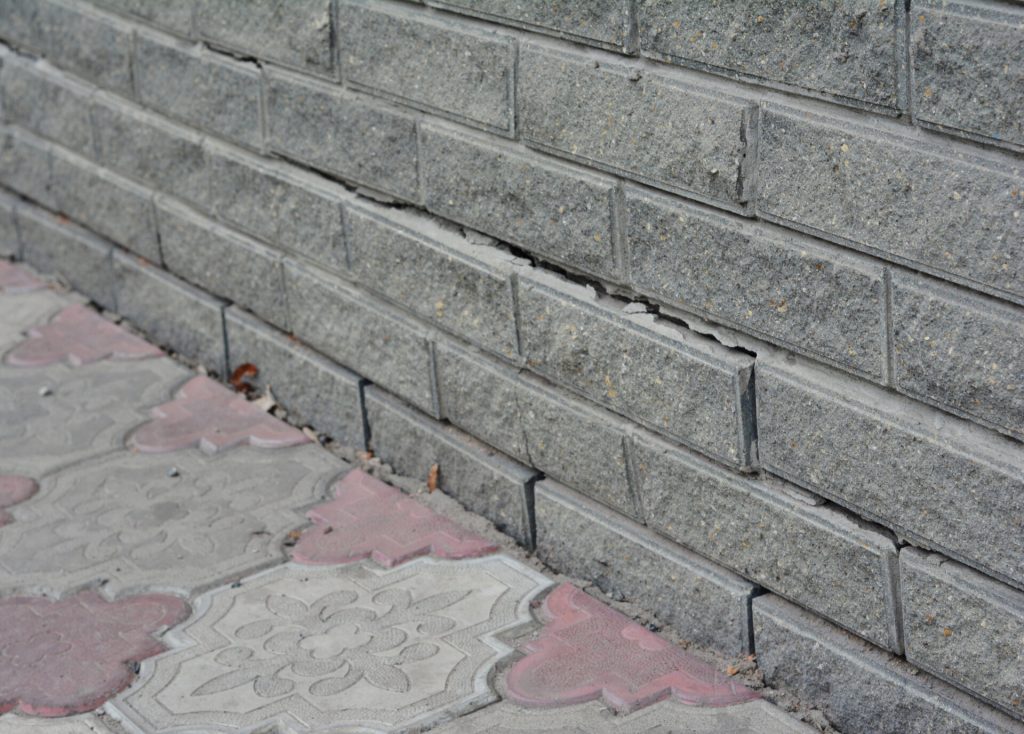
- Structural cracks show movement, displacement, patterns that align with stress, or symptoms elsewhere in the home—doors sticking, floors sloping, new cracks radiating.
If you’re seeing water intrusion with any crack—or cracks are widening—prioritize action.
What typically counts as “hairline”
- Width: Hairline to ~1/16″. No edge offset.
- Location: Often in plaster, drywall, or the surface of a concrete wall; may follow a single line without branching.
- Behavior: Stable over time or seasonal micro-changes that don’t add new symptoms.
- Likely cause: Normal shrinkage of concrete, small temperature swings, or surface drying.
What to do: Clean, mark both ends with date/width, and monitor. If it’s near grade, keep water away with a good slope and downspout extensions.
When a “minor crack” isn’t minor anymore
Even narrow cracks deserve attention if you notice:
- Moisture along the crack after rain or thaw
- Rust-colored staining (possible rebar involvement)
- Efflorescence (white mineral deposits, a sign of water movement)
- New hairlines branching from the original or spreading across multiple areas
Moisture plus cracking is a common pathway to bigger problems. Address drainage and surface water first.
Red flags that suggest structural movement
- Horizontal cracks in foundation walls, especially mid-height
- Stair-step cracks in block or masonry following mortar joints
- Differential displacement (one side of the crack sits higher)
- Rapidly widening cracks or ones that reopen after you seal them
- House symptoms: sticky doors/windows, sloping floors, wall–ceiling gaps, or new drywall cracks radiating from window corners
If you’re seeing two or more of these, bring in a pro. Start with a sitewide look at water and soil before jumping to invasive fixes.
Why Anchorage homes see both types
- Freeze–thaw cycling causes concrete and soils to expand and contract.
- Saturated soils during the spring thaw exert lateral pressure on walls.
- Poor surface grading directs water toward the foundation rather than away.
That’s why crack evaluation here always loops back to drainage and grade.
Drainage first: the root cause to tackle
Water is the multiplier. A small crack, combined with poor drainage, can lead to seepage, hydrostatic pressure, and, over time, structural stress. Consider:
- Positive grading around the home so surface water moves away. See Land Grading.
- Downspout extensions pointed to safe outlets, not toward foundation corners.
- Defined swales and, where soils stay wet, French drains tied to proper discharge.
- For chronic issues or complex sites, start a plan with Drainage Solutions.
Crack patterns and what they often mean
- Vertical hairline at mid-wall: often shrinkage; monitor width over time.
- Diagonal crack from the corner of a window or door: stress concentration; check for related framing or settlement cues.
- Horizontal mid-height crack on a basement wall: potential lateral soil pressure; evaluate urgently.
- Stair-step cracking in block: uneven settlement or lateral movement; investigate structure and soils.
- Map-like surface crazing: surface shrinkage; usually cosmetic, but still watch for water.
Step-by-step triage for homeowners
- Document: Date, location, estimated width (photo with ruler helps).
- Check for water: After a rain or thaw, look for dampness, stains, or efflorescence.
- Walk the house: Note doors, windows, floors, and drywall corners.
- Review grading: From the foundation outward, look for soil sloping back toward the home.
- Monitor: Recheck monthly in wet seasons; note changes.
- Escalate if needed: Multiple symptoms or fast change? Call for an evaluation.
Monitoring vs. immediate action
OK to monitor: isolated hairline, no moisture, no house symptoms.
Act now: widening or displaced cracks, horizontal/stair-step patterns, water intrusion, or house symptoms (sticky doors, uneven floors). Pair any repair plan with drainage correction to keep the fix in place.
Repair paths (plain-English overview)
- Crack injection & sealing: For tight, non-moving cracks with water seepage; combines sealant or epoxy with surface prep.
- Regrade/surface water control: Often the smartest first move. Start outside before you chase interior symptoms.
- Subsurface drainage: Perforated pipe with proper bedding/outlet to relieve persistent wet soils. See French Drain.
- Structural reinforcement or underpinning: Reserved for confirmed movement/settlement; requires professional assessment.
- Hardscape adjustments: Sidewalks or patios pitched toward the foundation can send water the wrong way. If you’re replacing flatwork, review Concrete Sidewalks to ensure the base and slope are set correctly.
Common mistakes that make cracks worse
- Sealing without fixing drainage: water pressure finds the next weak spot.
- Packing topsoil into low areas at the foundation: organics settle, slope reverses, water returns.
- Ignoring downspouts: short-term savings, long-term moisture headaches.
- Pouring new flatwork on a soft base: slabs tilt and push runoff back at the wall.
How Excavate Alaska helps
- Whole-site lens: we evaluate cracks alongside grading, runoff paths, and soil behavior.
- Anchorage-ready sequencing: fix water paths first, then address the crack or structure.
- Service lineup that fits the problem: start with Foundation Repairs and loop in Drainage Solutions or Land Preparation if site conditions warrant.
Print-friendly checklist
- Measure & photograph each crack
- Look for moisture or staining after storms
- Walk doors/windows/floors for movement clues
- Confirm positive grade away from walls
- Extend downspouts; set clear discharge paths
- Define swales; consider subsurface drains if soils stay wet
- Recheck cracks monthly; escalate if the width or symptoms grow
FAQs
1) How wide is “hairline,” really?
Think paper-thin—often around 1/64″ to 1/32″. The key is stability: if it doesn’t grow or trigger other symptoms, it’s likely cosmetic.
2) Are horizontal foundation cracks always structural?
They’re higher-risk because they can signal lateral soil pressure. Pair a structural look with a drainage and grading review right away.
3) My crack is small but leaks during rain. What now?
Control water first—regrade, extend downspouts, and add defined outlets. Then consider sealing or injection. Start with Drainage Solutions.
4) Can I just fill a crack with store-bought sealant?
Maybe for a dry, stable hairline. But without addressing water paths, sealant is a short-term patch. If you’re unsure, request a site evaluation via Foundation Repairs.
5) When should I stop monitoring and call a pro?
If you see widening, displacement, horizontal/stair-step patterns, water intrusion, or house-wide symptoms (doors, floors, drywall). Early evaluation keeps small issues small.

As the owner and founder of Excavate Alaska, I’m passionate about delivering reliable, high-quality excavation services to the Anchorage community and beyond. With over a decade of hands-on experience in the industry, I’ve built Excavate Alaska on the values of integrity, professionalism, and customer-first service. My team and I specialize in site preparation, land clearing, grading, trench digging, and full-scale excavation for both residential and commercial projects.